



Learn what causes teeth grinding, how it affects your oral health, and the treatments that can help you find relief.
If your mornings start with a sore jaw, a dull headache, or teeth that feel suspiciously shorter than they used to be, there’s a good chance you’re grinding your teeth. Don’t worry, you’re far from alone.
This condition, called bruxism, affects both kids and adults, often without them even realizing it. It’s one of the most common causes of grinding teeth in sleep, and sometimes it even happens during the day. Some people do it when they are awake, others in their sleep, and a few overachievers manage both.
The good news is that it’s treatable. At Dr. Elston Wong Dentistry in Barrie, we see bruxism regularly, and with the right approach, you can protect your smile, relieve discomfort, and finally give your jaw a break.
What is Bruxism?
Bruxism is the fancy dental term for involuntary grinding, clenching, or gnashing of teeth. Think of it as your jaw muscles going rogue, especially when you are stressed, deep in concentration, or asleep.

You might not notice it at first. But over time, this constant pressure can wear down enamel, cause jaw pain, or even chip your teeth. It’s like your mouth’s version of stress relief, just not the good kind.
Bruxism Symptoms
Bruxism can be sneaky, but your body tends to drop hints. Watch out for these common signs:
- Jaw pain or tightness, especially in the morning
- Frequent headaches or earaches
- Tooth sensitivity or worn enamel
- Clicking or popping sounds in the jaw
- Facial soreness or fatigue
- Chipped or flattened teeth
- Disrupted sleep (for you or your partner, because yes, it can get noisy)
These are all classic signs of bruxism, a term dentists use to describe tooth damage or sensitivity caused by frequent clenching or grinding.
If you are nodding to a few of these, it’s probably time to visit Dr. Wong for a closer look.
Types of Bruxism
Awake Bruxism
This type happens when you are awake, usually while focusing, anxious, or frustrated. You might catch yourself clenching your teeth while driving, working, or scrolling through a stressful inbox.
The cause is often emotional or psychological, but awareness helps. Once you know you are doing it, you can train yourself to relax your jaw.
Sleep Bruxism

The more mysterious cousin. This one happens while you are fast asleep, so you can’t control it. Sleep bruxism, often referred to as grinding teeth at night, is linked to sleep disorders, abnormal bites, or even genetics.
Sometimes it’s your body’s way of reacting to stress or airway obstruction. Either way, it deserves attention before your teeth bear the brunt.
Bruxism Causes
There isn’t one single culprit—bruxism usually comes from a mix of factors. Some of the usual suspects include:
- Stress and anxiety: The biggest trigger. When life gets overwhelming, your jaw often joins the tension party.
- Sleep disorders: Conditions like sleep apnea or snoring can play a role.
- Abnormal bite or crooked teeth: When your teeth don’t align properly, your jaw compensates.
- Lifestyle habits: Excessive caffeine, alcohol, or smoking can overstimulate the muscles involved.
- Medications: Certain antidepressants or stimulants may increase grinding tendencies.
Here’s the thing: everyone grinds their teeth occasionally. It becomes a problem only when it’s frequent or strong enough to cause damage, which is where Dr. Wong can step in to help identify what’s driving it.
Risk Factors
Some people are just more prone to bruxism than others. You might be at higher risk if:
- You are under high stress or have anxiety
- You have a family history of teeth grinding
- You are a competitive or hyperactive personality type
- You have sleep issues like snoring or sleep apnea
- You consume a lot of caffeine or alcohol
- You take certain medications that affect your nervous system
If any of these sound familiar, don’t panic. Awareness is half the battle, and your dentist can handle the other half.
Complications of This Condition
Ignoring bruxism might not seem like a big deal at first, but over time, it can lead to real damage.
Here’s what long-term teeth grinding can cause:
- Worn or broken teeth that may need crowns or repairs
- Tooth sensitivity due to enamel loss
- TMJ (jaw joint) pain or clicking
- Gum recession from constant pressure
- Headaches and facial soreness
- Interrupted sleep for both you and your partner

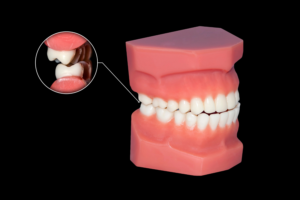
It’s not meant to scare you; it’s meant to highlight that catching it early saves you from bigger (and more expensive) problems later.
How Doctors Diagnose Bruxism
Diagnosing bruxism is not about guesswork. During a visit to Dr. Wong, the exam usually includes:
- Checking for flattened or chipped teeth
- Examining jaw muscles for tenderness
- Discussing symptoms like morning headaches or tightness
- Reviewing lifestyle and stress factors
- Occasionally, recommending a sleep study if nighttime grinding is suspected
In some cases, you might be asked to wear a monitor or keep a journal to track patterns. It’s all about understanding when and why it’s happening so the treatment actually works.
Treatment
How is Bruxism Treated?
Treatment depends on the severity and cause. The goal is to protect your teeth, relieve pain, and fix the underlying issue, not just mask it. Common approaches include:
- Custom Night Guards or Splints:
These fit over your teeth like a sports mouthguard, preventing wear and cushioning your jaw. - Orthodontic Adjustments:
If your bite is misaligned, correcting it can reduce grinding. This may involve braces, aligners, or other orthodontic work, services conveniently offered under our Orthodontic Services at Dr. Elston Wong Dentistry. - Behavioural Therapy:
Stress management techniques, mindfulness, or counselling can go a long way if emotional tension is the root cause. - Muscle Relaxation or Physiotherapy:
Simple exercises or gentle jaw massages can ease muscle tension. Sometimes, your dentist might refer you to a physiotherapist if jaw stiffness is severe. - Sedation Dentistry (for anxiety-related cases):
For those with severe stress or fear during dental treatment, sedation dentistry can help make visits more comfortable while addressing the grinding issue safely.
Every case is unique, but one thing’s constant: when treated properly, bruxism can be controlled and your jaw will thank you.
Prognosis
What’s the Outlook for People Who Grind Their Teeth?
Most people see noticeable improvement once they start treatment. With consistent use of a night guard, lifestyle adjustments, and regular checkups, you can stop further damage and enjoy pain-free mornings again.
At Dr. Elston Wong Dentistry, we often tell patients that bruxism recovery is a bit like breaking a bad habit; it takes awareness, patience, and teamwork between you and your dentist. But the results? Worth every bit of effort.
Prevention
Can Bruxism Be Prevented?
Not always, but you can dramatically reduce your risk. It starts with understanding your triggers and being kind to your jaw. Preventive habits and regular dental checkups can make all the difference.
Visit our Preventive Services page for more guidance on maintaining oral health and reducing stress-related habits before they affect your teeth.
When to See a Doctor
Call your dentist if you notice:
- Persistent jaw pain or stiffness
- Chipped or broken teeth
- Worn-down enamel
- Clicking or locking the jaw
- Frequent morning headaches
These are signs that your teeth and jaw need a professional’s attention. The sooner you get checked, the easier it is to fix.
Tips to Prevent Bruxism
- Avoid caffeine or alcohol before bedtime
- Practise relaxation before bed—meditation, light stretches, or deep breathing
- Keep good posture; even neck strain can trigger clenching
- Apply a warm compress to your jaw if it feels tight
- Use a custom night guard from your dentist
- Schedule regular checkups to monitor any signs of wear
And if you ever catch yourself clenching during the day, say this quietly in your head: “Relax, jaw.” It sounds silly, but it works.
Frequently Asked Questions About Teeth Grinding (Bruxism)
Q. Can stress really cause teeth grinding?
Absolutely. Stress is one of the most common triggers. Your jaw muscles often hold tension just like your shoulders or neck. Managing stress helps calm the grind—literally.
Q. Is teeth grinding dangerous?
Over time, yes. It can wear down teeth, cause fractures, and lead to jaw pain or headaches. Early treatment prevents long-term damage.
Q. My child grinds their teeth at night. Should I worry?
It’s quite common in kids and often goes away as they grow. But if it continues, causes pain, or damages their teeth, it’s best to consult a dentist.
Q. How do I stop grinding my teeth in my sleep?
Since you can’t control it while asleep, a custom night guard is your best defence. Reducing caffeine, stress, and following a relaxing bedtime routine also helps.
Q. Will a night guard cure bruxism?
It won’t cure the cause, but it prevents damage while your dentist helps address the underlying reason, whether it’s stress, bite issues, or sleep problems.
Ready to Protect Your Smile?
If you are tired of waking up with jaw pain or noticing your teeth look worn down, let Dr. Elston Wong Dentistry in Barrie help. With expert diagnosis, customized treatment, and a patient-first approach, we’ll make sure your smile and your sleep are both protected.
Book an appointment today and give your jaw the rest it deserves.