



Learn what causes tooth sensitivity, how to relieve pain, and the best ways to protect your enamel and gums.
Understanding Sensitive Teeth
If you have ever winced while sipping an iced coffee or biting into something sweet, you are not alone.
Tooth sensitivity or tooth sensitivity pain is one of the most common dental complaints among adults and seniors. It can range from mild discomfort to a sharp, sudden jolt that makes you hesitate before taking another bite.
Here’s the thing: sensitive teeth are not a sign that your mouth is falling apart. It’s your body’s way of saying, “Hey, something’s off… pay attention.”
And that’s actually good news, because tooth sensitivity is treatable and preventable when handled properly.
At Dr. Elston Wong Dentistry in Barrie, we often meet patients who assume sensitivity is just something they have to live with. It’s not. In most cases, identifying the cause early and making a few changes can help restore comfort and protect your enamel for the long run.
What Are Sensitive Teeth?
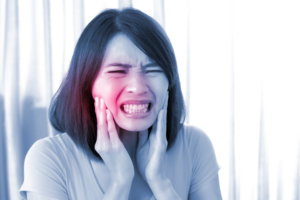
To put it simply, sensitive teeth occur when the protective layer of your teeth, the enamel, wears down, or when your gums recede enough to expose the underlying dentin.
Dentin contains tiny microscopic tubules that lead straight to your tooth’s nerves. When exposed, these tubules act like open channels. So, when you drink something cold, hot, or acidic, those sensations travel directly to your nerves, and you feel it instantly.
Dr. Wong often explains it this way: think of enamel as a warm jacket for your teeth. When it thins out or slips off (due to brushing too hard, grinding, or gum loss), your teeth are left unprotected against temperature changes, pressure, and certain foods.
Causes of Sensitive Teeth
What Causes Sensitive Teeth?
There’s no single culprit behind tooth sensitivity — it’s usually a mix of daily habits, diet, and gradual wear. Some common causes include:
- Worn enamel from aggressive brushing: Brushing too hard or using a stiff toothbrush can strip away enamel over time.
- Gum recession: Often caused by gum disease or poor oral care, receding gums expose the root surfaces of your teeth — one of the most sensitive areas in your mouth.
- Tooth decay or cracked teeth: Cavities and fractures can allow heat, cold, or pressure to reach the tooth’s nerve endings.
- Grinding or clenching (bruxism): Repeated pressure from grinding — often while sleeping — can wear down enamel and lead to chronic sensitivity.
- Acidic foods and beverages: Citrus fruits, soft drinks, and even frequent vinegar-based dressings can erode enamel over time.
- Teeth whitening treatments: Overuse or improper use of whitening products can temporarily increase sensitivity.
Dr. Wong emphasizes that tooth sensitivity pain is your body’s early warning signal. It tells you something in your dental routine or diet needs attention. Identifying what’s behind it is the first step to lasting relief.
Sensitive Teeth Treatment

The good news? There’s no one-size-fits-all treatment, and that’s a good thing. The right approach depends on why your teeth are sensitive.
Here are some effective options:
- Desensitizing toothpaste: These contain compounds that block sensation signals from the surface of your tooth to the nerve. Regular use can significantly reduce discomfort.
- Fluoride treatments: Applied by your dentist, fluoride strengthens enamel and minimizes the transfer of heat and cold.
- Dental bonding: A tooth-coloured resin can cover exposed roots or worn enamel areas, sealing the dentin underneath.
- Gum grafting: If gum recession is the culprit, grafting healthy tissue helps cover exposed roots and protect against further sensitivity.
- Mouthguards: For those who grind or clench at night, a custom-fitted guard can prevent additional enamel wear.
At Dr. Elston Wong Dentistry, treatment always starts with identifying the root cause. Dr. Wong’s approach is evidence-based and preventive, meaning he focuses not only on relieving your current pain but also on ensuring it doesn’t return.
What Happens if You Don’t Treat It?
Ignoring sensitivity might not seem like a big deal until it becomes one. Left untreated, enamel erosion or gum loss can worsen, exposing the inner parts of your teeth to decay, infection, or even nerve damage.
Dr. Wong often reminds patients that sensitivity is not just about discomfort, it’s about what’s happening underneath.
Catching it early can prevent a simple issue from turning into a complex (and expensive) one later.
Tooth Sensitivity Prevention

Here’s where most people go wrong: they treat sensitivity reactively instead of proactively. Preventing it is often much simpler and cheaper than fixing it later.
Try these practical steps to protect your enamel and gums:
- Use a soft-bristled toothbrush. Gentle brushing at a 45° angle removes plaque without scraping enamel or gum tissue.
- Switch to a toothpaste for sensitive teeth. Look for ones with ingredients like potassium nitrate or stannous fluoride.
- Watch your diet. Limit acidic foods and drinks, especially citrus, coffee, and soda. If you do consume them, rinse your mouth with water afterward.
- Avoid brushing right after meals. Acids temporarily soften enamel; brushing immediately can worsen erosion.
- Maintain good oral hygiene. Daily brushing, flossing, and routine dental check-ups go a long way.
- Stay consistent with professional cleanings. Regular visits allow Dr. Wong and his team to spot early enamel wear, gum issues, or grinding patterns before they cause pain.
As Dr. Wong often says, “Healthy teeth shouldn’t hurt.” Sensitivity is preventable when you combine mindful habits with professional guidance.
Frequently Asked Questions on Sensitive Teeth
Q. When to Call the Dentist?
If sensitivity lingers for more than a few days, gets worse, or affects multiple teeth, it’s time to book a visit. Pain that wakes you up at night or occurs without an obvious trigger usually points to something more than surface-level enamel wear.
Q. When Should Sensitive Teeth Be Treated by a Dentist?
Always sooner rather than later. If you’ve tried switching toothpaste or adjusting your brushing habits and the pain continues, that’s your cue to see a professional. Dr. Wong’s diagnostic process includes visual exams, enamel checks, and bite analysis to uncover hidden causes like small cracks or bruxism.
Q. How to Stop Sensitive Teeth Pain Immediately?
For quick relief, try:
- Using desensitizing toothpaste twice daily
- Rinsing with warm salt water
- Avoiding overly hot, cold, or sugary foods for a few days
However, remember that these are temporary solutions. Long-term comfort comes from addressing the source.
Q. Why Are My Teeth Sensitive?
Common causes include enamel thinning, exposed dentin, gum recession, or even grinding teeth in sleep (a condition known as bruxism). Stress, diet, and poor brushing technique can all play a role.
Q. How to Alleviate Tooth Sensitivity?
You can ease discomfort by avoiding acidic drinks, brushing gently, and scheduling a cleaning or fluoride treatment. Many patients at Dr. Elston Wong Dentistry find that personalized care plans, combining at-home steps with in-office treatments, provide lasting relief.
Q. Why Are My Teeth Sensitive All of a Sudden?
Sudden sensitivity can come from a cracked filling, an enamel chip, or a recent whitening session. Sometimes, even sinus pressure or seasonal allergies can cause temporary dental discomfort. If the pain doesn’t settle within a few days, Dr. Wong recommends getting it checked to rule out deeper issues.
Living Comfortably With Healthy Teeth
Tooth sensitivity is not something you need to accept as “normal.” It’s a common condition with clear causes and even clearer solutions. The sooner you understand what’s triggering it, the easier it is to fix.
At Dr. Elston Wong Dentistry in Barrie, our goal is simple: help you eat, drink, and smile without hesitation. Whether it’s through preventive care, customized treatments, or a few smart habit changes, we’ll make sure your teeth stay strong, protected, and pain-free.
Book an Appointment to start your journey to comfortable, confident smiles.