


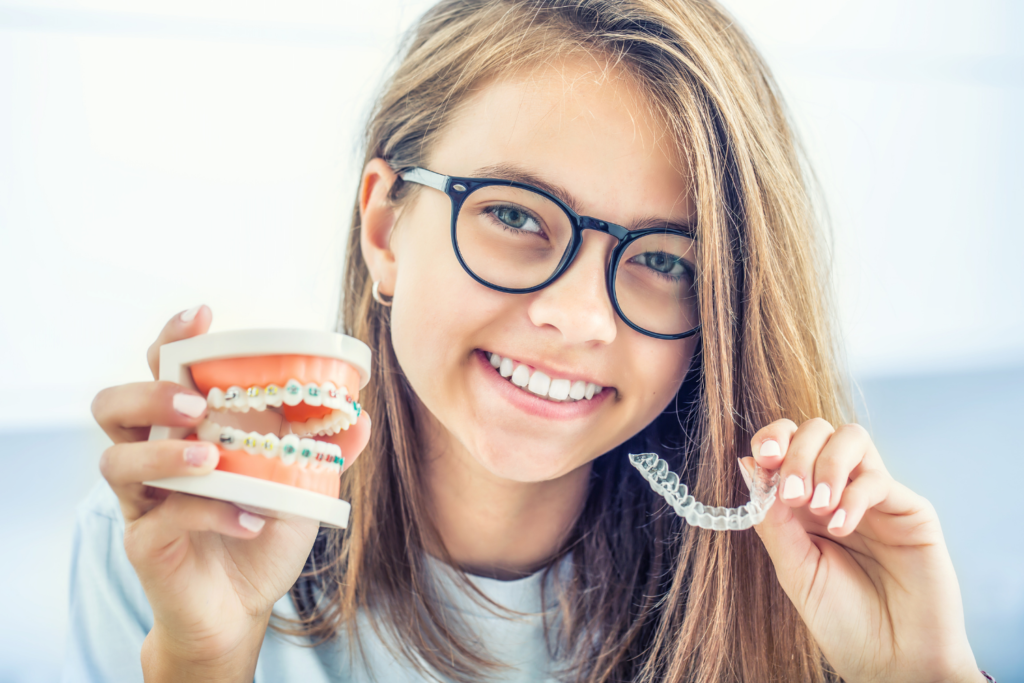
Comparing clear aligners and braces to help you choose the right orthodontic treatment for your smile, lifestyle, and budget.
Clear Aligners vs braces
Clear Aligners vs braces is one of the most common questions we hear at Dr. Elston Wong Dentistry in Barrie, and honestly, it’s a fair one.
Orthodontic treatment is a commitment. It takes time, patience, and trust. When you are weighing two effective options that look and feel very different, the decision can feel overwhelming.
Here’s the reassuring part. Both clear aligners and traditional braces can straighten teeth, improve your bite, and protect long-term oral health.
The difference is not about which one “works” and which one doesn’t. It’s about which one fits your teeth, your lifestyle, and your level of commitment.
Let’s break it down clearly, without hype or pressure.
What’s the Difference Between Clear Aligners and Braces?

At a basic level, the difference comes down to how your teeth are moved.
Clear aligners use a series of clear, custom-made trays. You wear each set for about one to two weeks, and they gradually guide your teeth into position. The aligners are removable, nearly invisible, and designed to fit snugly over your teeth.
Braces, on the other hand, use fixed brackets and wires attached to your teeth. The wires are adjusted over time to apply consistent pressure and guide tooth movement. Once braces are on, they stay on until treatment is complete.
What this really means is that clear aligners tend to blend more easily into daily life, while braces offer constant, hands-on control. Neither is better by default. They are simply built for different situations.
Benefits of Clear Aligners
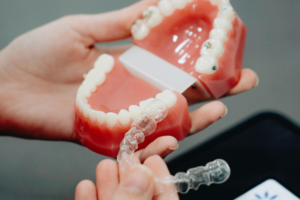
Discreet Appearance
One of the biggest reasons adults and teens choose clear aligners is how subtle it looks. Clear aligners are difficult to notice in everyday conversations, photos, or meetings.
For adults working in client-facing roles, teens who feel self-conscious, or anyone who just prefers a low-profile option, clear aligners can feel far more comfortable socially. Dr. Wong often explains that confidence during treatment matters just as much as the final result.
Removable Aligners for Eating & Cleaning
Because clear aligners are removable, you can eat your favourite foods without worrying about brackets or wires. Apples, popcorn, and the occasional sticky treat are all still on the table.
This flexibility also makes brushing and flossing far easier. You remove the aligners, clean your teeth like normal, and pop them back in.
Easier Brushing and Flossing
Oral hygiene tends to be simpler with clear aligners. There are no wires to work around and no brackets trapping food.
At Dr. Elston Wong Dentistry in Barrie, we often see clear aligners patients maintain healthier gums during treatment simply because daily cleaning is less complicated.
Fewer In-Office Visits
Clear aligners typically require fewer adjustment appointments than braces. Many check-ins focus on progress rather than wire changes.
For busy parents, working professionals, and students, fewer visits can make treatment easier to manage long-term.
Comfortable Fit
Clear aligners are smooth and custom-designed for your mouth. While there may be some pressure when switching to a new set, most patients find clear aligners gentler on cheeks and lips than metal brackets.
Limitations of Clear Aligners:
Discipline Is Essential
This is the part people sometimes underestimate. Clear aligners must be worn 20 to 22 hours per day. Removing aligners too often or forgetting to put them back in can slow progress.
From Dr. Wong’s experience, clear aligners works beautifully for patients who are consistent and responsible. Without that discipline, results can stall.
Removing Aligners Can Be Inconvenient
Aligners must be removed for meals and drinks other than water. In social situations, that can feel awkward at first.
It’s manageable, but it does require planning and a bit of adjustment.
Clear aligners vs Braces Cost
When comparing clear aligners vs braces cost, clear aligners are often slightly more expensive, especially for simpler cases. Pricing depends on complexity, treatment time, and whether refinements are needed.
A personalized consultation is the only way to get an accurate estimate, which is why we always avoid one-size-fits-all numbers.
Clear Aligners Effectiveness Compared to Braces

When it comes to dental braces vs clear aligners, effectiveness depends on the case.
Clear aligners can successfully treat mild to moderate crowding, spacing, certain bite issues, and many cosmetic alignment concerns. Advances in aligner technology have expanded what Clear aligners can handle.
However, braces are often the better choice for severe rotations, complex bite problems, or significant jaw alignment issues. Braces apply continuous force that does not depend on patient compliance.
Attachments and Treatment Complexity
Some clear aligners treatments use small tooth-coloured attachments to help guide movement. While effective, they still have limitations compared to braces in highly complex cases.
This is where professional assessment matters. The goal is predictable, healthy movement, not just straight teeth.
Advantages of Traditional Braces

Suitable for Complex Orthodontic Cases
Braces are especially effective for severe crowding, large gaps, and significant bite issues.
When comparing braces vs clear aligners for overbite, braces often offer more precise correction in complex overbite cases.
Highly Precise Tooth Movement
Because braces are fixed, orthodontists have more control over every stage of movement. This precision can be critical when teeth need to move in very specific ways.
Different Types of Braces Available
Braces are not one-size-fits-all. Options include traditional metal braces and more discreet ceramic braces that blend with natural tooth colour.
Often Faster for Complex Treatments
For more complicated orthodontic cases, braces can sometimes complete treatment faster because they apply continuous force without relying on patient compliance.
Downsides of Braces
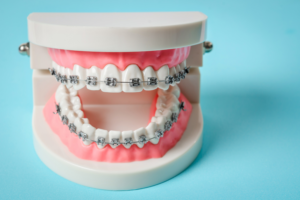
Visibility
Braces are noticeable. While many teens don’t mind, adults sometimes feel self-conscious, especially in professional settings.
Oral Hygiene Challenges
Brushing and flossing with braces takes more effort. Food can get trapped around brackets, increasing the risk of plaque buildup if cleaning is not thorough.
Dietary Restrictions
Hard, sticky, and chewy foods can damage brackets and wires. Patients need to be mindful of what they eat throughout treatment.
More Frequent Adjustments
Braces usually require more in-office visits for tightening and adjustments, which can mean more time in the dental chair.
Clear Aligners or Braces for Adults: What Should You Consider?
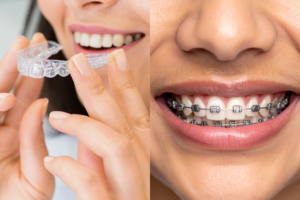
For adults, the decision often comes down to lifestyle and discipline.
If appearance, flexibility, and ease of cleaning matter most, clear aligners may be the better fit. If your case is complex or consistency might be a challenge, braces could offer better results.
Orthodontic treatment is effective at any age. In our Barrie dental clinic, we regularly see adults achieve excellent outcomes with both options.
Which Option Is Right for You?

Here’s the thing. Online comparisons can only go so far.
Every mouth is different. Bite alignment, jaw structure, habits, and goals all matter. That’s why personalized assessment is essential.
Dr. Elston Wong often reminds patients that the best orthodontic plan is the one designed for their whole mouth, not just their smile.
Why Choose Dr. Elston Wong Dentistry for Orthodontic Care in Barrie

Dr. Elston Wong Dentistry has been caring for patients since 1999 with a whole-mouth approach to dentistry.
Our team in Barrie offers both clear aligners and traditional braces, ensuring recommendations are based on what’s best for you, not what’s trendy.
Patient education is central to everything we do, because informed patients make confident decisions.
Orthodontic care here is never rushed and never one-size-fits-all.
Conclusion
When comparing clear aligners vs braces, there is no universal winner. clear aligners offer discretion and flexibility. Braces provide precision and reliability for complex cases.
The right choice depends on your teeth, your lifestyle, and your long-term oral health goals. A professional consultation ensures your treatment plan is built around you, not assumptions.
Frequently Asked Questions: Clear Aligners vs Braces
Q. How long does clear aligners take vs braces?
Treatment time varies, but clear aligners often takes 12–18 months for mild to moderate cases. Braces may take longer for complex issues.
Q. How much do regular braces cost vs clear aligners?
Costs depend on complexity. clear aligners are often slightly higher, but both options vary by case.
Q. Will clear aligners be more gentle on gums vs traditional braces?
Many patients find clear aligners gentler due to the smooth aligners and easier hygiene.
Q. Which is better, braces or clear aligners?
Neither is universally better. The best option depends on your orthodontic needs and lifestyle.
Q. What are the disadvantages of clear aligners?
It requires discipline, must be worn most of the day, and may not suit complex cases.
Q. Why don’t dentists recommend clear aligners in some cases?
Severe bite or alignment issues often respond better to braces due to greater control.
Q. Can I eat with clear aligners?
No. Aligners must be removed before eating or drinking anything other than water.
Final Summary
Clear aligners and braces both deliver excellent results when used for the right reasons. Understanding the pros, cons, and treatment differences helps you choose confidently and comfortably. A personalized consultation ensures your orthodontic journey starts on the right path.