


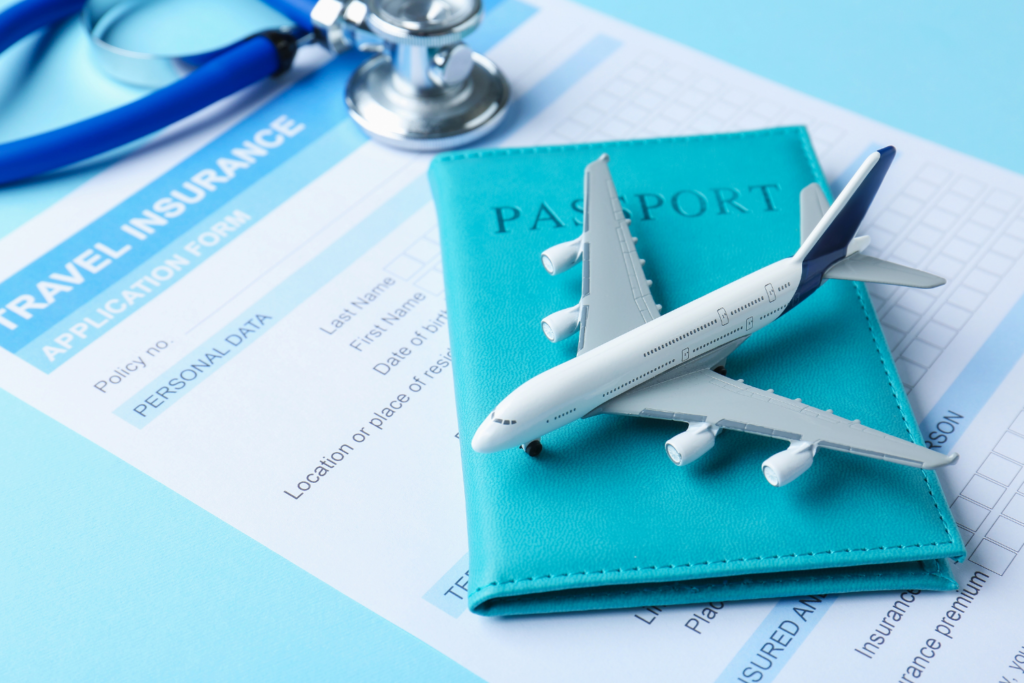
Dental tourism
Dental tourism is often presented as a clever workaround for people who feel priced out of dental care in Canada.
The idea sounds simple enough. Instead of paying Canadian fees, you travel abroad, get dental work done at a lower cost, and maybe enjoy a bit of sightseeing while you are at it.
For patients with extensive dental needs, the appeal is obvious. When the numbers start adding up, dental treatment outside Canada can feel like a practical, even smart decision. And to be fair, many people have gone down this path.
But here’s the part that does not get talked about enough. When you choose dental tourism, you are not just buying dental work. You are also taking on a set of risks that don’t show up clearly in the brochure.
Why Dental Tourism Seems Like an Affordable Solution

On the surface, dental tourism looks like a win. Lower treatment costs, bundled travel packages, and the promise of fast results all sound attractive.
Marketing around dental tourism tends to focus heavily on price comparisons. You will often see dramatic numbers showing how much cheaper dental work done abroad can be compared to treatment in Canada. For someone already stressed about cost, that message lands hard.
The higher the dental needs, the more tempting the offer becomes. Multiple crowns, implants, or full-mouth rehabilitation can make even the most budget-conscious Canadian pause and think, “Is dental tourism worth it?”
It’s a fair question. But price alone never tells the whole story.
Is Dental Work Done Abroad Always Inferior?
No. And this is important to say clearly.
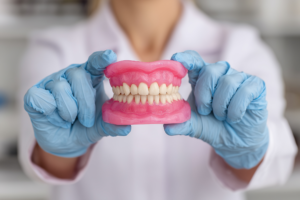
Dental work done abroad is not automatically of poor quality. Many dentists outside Canada are highly trained, experienced, and capable of producing excellent results. Some clinics operate at an extremely high standard and may even complete treatment faster than what’s typical at home.
Dr. Wong has always been careful to acknowledge this reality. The issue is not that dentistry done outside Canada is inherently bad. The issue is that, as a patient, you have very limited ways of knowing what standard of care you are actually going to receive.
Dentistry is not a factory-made product. It’s a service built on clinical judgment, materials, planning, and execution. And those things are very hard to evaluate from a website or a testimonial.
Why You Can’t “Test Drive” Dentistry Before Treatment

Here’s where dental tourism becomes risky in a way people don’t always expect.
You can’t test drive dentistry. You can’t sample the quality ahead of time. Even another dental office would struggle to properly evaluate the work of a colleague without observing weeks of treatment and follow-up.
Unlike many consumer services, dentistry only truly reveals its quality over time. How does it function months later? How does it respond to chewing forces? How does it affect the surrounding teeth and gums?
By the time problems appear, you are usually already back home.
The Hidden Risks Dental Tourism Providers Don’t Emphasize
Dental tourism providers are understandably focused on selling the experience. What tends to get less attention are the downsides.
One of the biggest risks of dental treatment abroad is what happens after the work is done. If something feels off, if a crown does not fit quite right, or if an implant becomes painful months later, your options are limited.
There is often no clear legal or financial recourse. Follow-up care is rarely included. And returning to another country for adjustments is usually unrealistic.
At Dr. Elston Wong Dentistry in Barrie, we have seen patients who felt stuck, unsure whether to redo the work locally or live with discomfort because the original treatment was done elsewhere.
Why Dental Regulations and Patient Protection Matter in Ontario
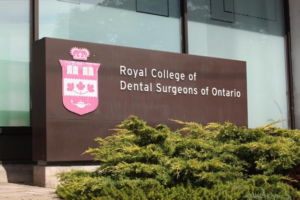
In Ontario, dentistry is regulated by the Royal College of Dental Surgeons of Ontario. This regulatory framework exists to protect patients and ensure consistent standards of care.
This does not mean every dental procedure is perfect. No branch of healthcare can guarantee that. But it does mean there are systems in place for accountability, oversight, and patient protection.
When you seek dental tourism outside Canada, those safeguards may not exist in the same way. Regulations vary widely by country, and patients are often unfamiliar with how complaints, complications, or corrective care are handled.
Dental tourism in Canada comes with protections that are easy to overlook until something goes wrong.
What Happens When Dental Treatment Abroad Fails?

Failures can happen anywhere. Dentistry in Ontario is not immune to complications, and Dr. Wong is very open about that reality.
The difference is what happens next.
When treatment fails locally, there is continuity of care. There is communication between the provider and the patient. There is a shared responsibility to address the issue properly.
With dental treatment done outside Canada, that safety net often disappears. Patients may return home with work that technically looks fine but does not function well long-term. Correcting it can be complex, costly, and emotionally frustrating.
At that point, the original savings may no longer feel like savings at all.
Continuity of Care Is the Biggest Missing Piece in Dental Tourism
Continuity of care is one of the most undervalued aspects of dentistry.
Good dentistry is not just about placing a crown or implant. It’s about planning, monitoring, adjusting, and maintaining oral health over time. That continuity is almost impossible when care is split between countries.
Unless a dentist practicing outside Canada is willing and able to coordinate closely with your local provider, and unless you are prepared to cover the cost of proper follow-up, the system simply does not support long-term success.
From Dr. Wong’s experience, this gap is where many dental tourism cases begin to unravel.
Is the Lower Cost of Dental Tourism Worth the Long-Term Risk?
This is the real question patients are asking when they search “is dental tourism worth it.”
Sometimes the answer might be yes. But that decision should be made with full awareness of the risks, not just the price tag.
Lower upfront costs don’t always reflect the true cost over time. When repairs, replacements, or complications arise, the financial and health impact can be significant.
Dental tourism pros and cons need to be weighed carefully, especially for complex or permanent treatments.
Choose Prevention-Based, Long-Term Dental Care in Barrie

At the end of the day, dentistry works best when it’s built on prevention, planning, and long-term care.
At Dr. Elston Wong Dentistry, our focus in Barrie has always been on comprehensive evaluation, realistic treatment planning, and continuity of care. The goal is not just to fix teeth. It’s to help them last.
If you are considering dental tourism, a thorough local assessment can help you understand what’s truly involved and whether the risks align with your situation.
Sometimes the smartest decision is the one that looks less exciting but protects your health in the long run.
Conclusion
Dental tourism can look appealing on paper. Lower costs, faster timelines, and the idea of combining treatment with travel all sound tempting, especially when dental needs feel urgent or overwhelming.
But dentistry is not just about what looks good when you leave the chair. It’s about how that work holds up months and years later, how problems are handled if they arise, and whether there is a clear plan for long-term care. Those are the parts that don’t always travel well.
From Dr. Wong’s experience, the biggest risks of dental tourism are not always immediate or dramatic. They tend to show up quietly, through discomfort, failed restorations, or the absence of anyone who truly knows your dental history once you are back home.
That does not mean dental tourism is always the wrong choice. It does mean it deserves careful thought, honest evaluation, and a clear understanding of what you’re giving up along with the lower price.
For many patients, prevention-based, regulated care with continuity at a local clinic offers something that’s hard to put a dollar value on: peace of mind. And when it comes to your oral health, that often matters more than a good deal.