



From baby teeth to early adult teeth, learn how to protect your child’s smile with simple, age-appropriate dental care tips.
Overview
How to care for baby teeth is a question almost every parent asks, usually earlier than expected. Even before that first tiny tooth shows up, your child’s oral health journey has already begun. Baby teeth may be temporary, but their role is anything but small. They help with eating, speech development, jaw growth, and guide adult teeth into the right position later on.
At Dr. Elston Wong Dentistry, parents often tell us they wish they had known sooner that early dental habits make everything easier down the road. The good news is that caring for children’s teeth does not need to be complicated. With the right approach at each stage, you can protect your child’s smile and prevent many common dental issues before they start.
Let’s walk through what caring for your child’s teeth looks like, from infancy through the school years, in a way that feels practical and manageable.
How to Care for Baby Teeth
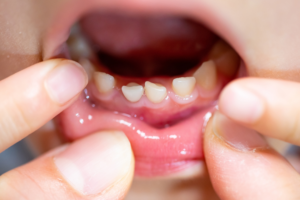
Good oral care starts long before brushing becomes part of the routine. Even babies without teeth benefit from gentle cleaning.
Dr. Wong often says “Parents don’t need to be perfect with dental care early on, they just need to be consistent.”
Start early with the gums
Cleaning can begin as soon as your baby is born. After feedings, use a soft, damp cloth or infant finger wipe to gently clean the gums. This removes milk residue and helps your baby get used to having their mouth cleaned.
When brushing becomes necessary
Once the first tooth appears, brushing should begin. Many parents ask when to start brushing baby teeth, and the answer is simple. As soon as you see that first tooth, it is time.
Brushing infant teeth should be gentle and brief. Use a soft-bristled baby toothbrush and a smear of fluoride toothpaste no larger than a grain of rice. This helps protect developing enamel while keeping brushing safe.
In our Barrie clinic, we often see parents worry about doing too much or too little. Consistency matters more than perfection at this stage.
How to Care for Toddler Teeth

Toddlerhood is where dental care meets real-life parenting. This is also when habits begin to stick.
Brushing routines
Brush twice daily using a soft toothbrush and a rice-sized amount of fluoride toothpaste. Parents should always help or supervise, even if your child insists they can do it alone.
Teaching spitting
Most toddlers cannot spit properly at first. That is completely normal. Encourage them to spit, but do not stress if they swallow small amounts of toothpaste.
Managing resistance
Tantrums during brushing are common. Turning brushing into a game, singing a song, or brushing together often helps. What matters is that brushing happens daily, even on the tough days.
Preventing Tooth Decay
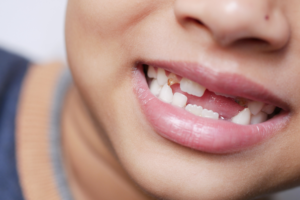
Early childhood cavities, sometimes called early childhood caries, are one of the most common dental issues we see in young children.
To reduce the risk:
- Avoid frequent sugary snacks and drinks
- Do not put your child to bed with a bottle containing milk or juice
- Brush twice daily, especially before bedtime
- Offer water between meals
We see this often in our Barrie clinic. Small changes in routine can dramatically reduce the risk of cavities.
This is what Dr. Wong reminds parents in our Barrie clinic: cavities in young children are usually about habits, not bad parenting.
Checking for Early Childhood Tooth Decay
Cavities do not always start as dark spots. Early signs are subtle and easy to miss.
Watch for:
- White or chalky spots near the gumline
- Light brown discolouration
- Sensitivity to cold or sweet foods
- Complaints of pain during eating
Early dental visits allow these issues to be caught before they become painful. Dr. Elston Wong often explains that early care keeps small problems from becoming stressful ones.
Cleaning Your Child’s Mouth (Age-Based Guide)
Children’s oral care changes as they grow. Here is how cleaning evolves over time.
How to Clean Your Baby’s Mouth: 0 to 6 Months Old
At this stage, there are usually no teeth yet.
- Use a clean, damp cloth to wipe the gums
- Clean once or twice daily
- No toothpaste needed
This builds comfort and familiarity with oral care.
How to Clean Your Child’s Mouth: 6 Months to 3 Years Old
Teeth typically begin erupting during this period.
- Begin brushing as soon as teeth appear
- Use a soft toothbrush and rice-sized fluoride toothpaste
- Brush gently twice daily
Many parents ask “when do you start brushing infants teeth”. The answer remains the same. Once teeth appear, brushing begins. Brushing also helps soothe teething discomfort by reducing gum inflammation.
How to Clean Your Child’s Mouth: 3 to 6 Years Old
As coordination improves, children can start brushing more independently.
- Use a pea-sized amount of fluoride toothpaste
- Encourage gentle circular motions
- Parents should continue supervising
This is also a great age to introduce flossing once teeth touch.
How to Clean Your Child’s Mouth: 7 to 12 Years Old
School-aged children gain independence, but they still need guidance.
- Brushing twice daily remains essential
- Flossing should be part of the routine
- Permanent molars begin erupting and are cavity-prone
We often remind parents that independence does not mean hands-off. A quick check after brushing can make a big difference.
When Your Child’s Baby Teeth Should Come In

Baby teeth usually begin erupting around six months of age, though this varies.
General timing includes:
- Front teeth between 6 and 12 months
- First molars around 12 to 18 months
- A full set of baby teeth by age three
Delays are often normal. If teeth are late, a dental visit can confirm everything is developing as expected.
When Your Child’s Adult Teeth Should Come In

Adult teeth typically begin replacing baby teeth around age six.
- Front teeth are usually first
- Molars arrive gradually through childhood
- Mixed dentition, where baby and adult teeth coexist, is normal
As Dr. Wong likes to put it, “Healthy smiles are built quietly at home, one brushing at a time.”
Crowding or spacing concerns often appear during this phase. Dr. Elston Wong Dentistry monitors these changes carefully to guide timely orthodontic referrals when needed.
Cavity Prevention
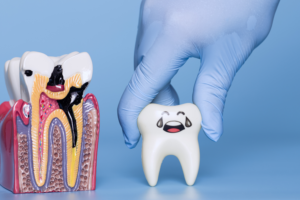
Preventing cavities comes down to a few key habits.
- Limit juice and sweetened drinks
- Avoid bedtime bottles
- Encourage water between meals
- Maintain regular dental checkups
Preventive Dental Services play a major role in keeping children cavity-free as they grow.
Don’t Forget to Floss
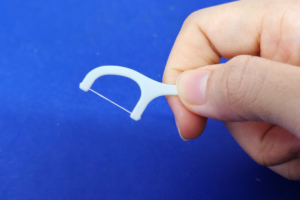
Flossing should begin as soon as two teeth touch.
Tips for success:
- Use floss picks for easier handling
- Floss for your child until they develop good coordination
- Keep it quick and gentle
Flossing removes plaque that brushing cannot reach.
Consider Your Child’s Diet and Nutrition
What your child eats affects their teeth just as much as brushing.
Focus on:
- Calcium-rich foods like dairy or fortified alternatives
- Water as the primary drink
- Limiting snack frequency
- Watching for hidden sugars in packaged foods
Balanced nutrition supports strong enamel and healthy development.
Use Fluoride
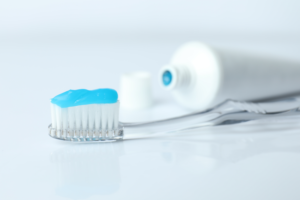
Fluoride is one of the most effective tools for cavity prevention.
- Use age-appropriate fluoride toothpaste
- Follow recommended amounts
- Ask about professional fluoride varnish treatments
- Ensure safe fluoride levels in drinking water
Fluoride strengthens enamel and helps reverse early decay.
Conclusion
Caring for children’s teeth is a journey that evolves as your child grows. Starting early, staying consistent, and adapting care at each stage make a lasting difference. Healthy baby teeth help pave the way for strong adult teeth, confident smiles, and positive dental experiences.
Parents in Barrie looking for guidance often find reassurance in routine visits and early support. Dr. Elston Wong Dentistry is proud to care for growing smiles and support families through every stage of their child’s dental development.