


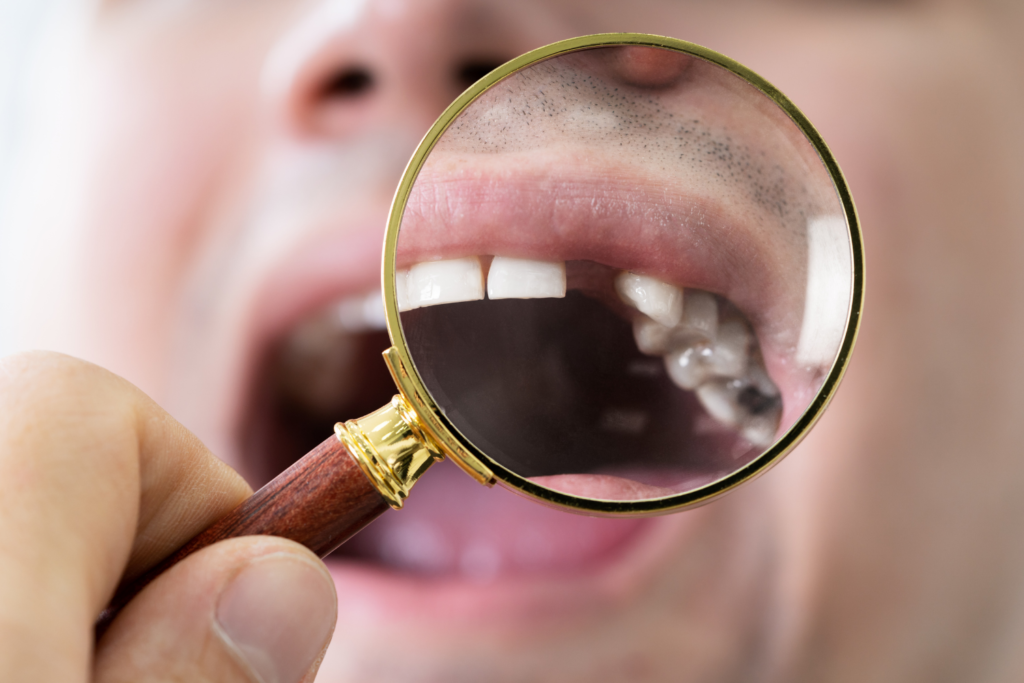
Learn what hypodontia means, why it occurs, and how modern dental treatments can restore your smile and confidence.
Overview
Hypodontia is a dental condition where one or more permanent teeth fail to develop. Affecting roughly 2–8% of the population, it’s more common than many people realize.
While the thought of missing teeth can be concerning, this condition is both manageable and treatable with modern restorative and orthodontic dentistry.
Dr. Wong notes, “Hypodontia is not a reflection of poor dental care; it’s often genetic or developmental.
Early evaluation is key. With a tailored treatment plan, patients can regain both function and confidence in their smile.”
Missing teeth can impact chewing, speaking, and self-esteem. Early detection not only simplifies treatment but also prevents more invasive procedures later.
People may not notice gaps immediately, especially if a missing tooth is not in the front of the mouth. Sometimes, parents discover the condition during routine check-ups or when a child’s teeth erupt later than expected.
What is Hypodontia?
Simply put, hypodontia refers to the absence of one to five permanent teeth. It’s important to distinguish it from other missing-teeth conditions:
- Oligodontia: Missing six or more teeth
- Anodontia: Complete absence of teeth
Hypodontia most commonly affects wisdom teeth, second premolars, and lateral incisors, though any tooth can be missing.
Some people don’t notice it until adulthood, while others detect it during routine dental check-ups.
Dr. Wong reassures, “Many parents worry when their child has a small gap or a tooth hasn’t erupted on time. Often, this is hypodontia. Early assessment allows us to plan treatment efficiently and prevent future problems.”
Even when only a single tooth is missing, the surrounding teeth can gradually shift into the empty space, affecting bite alignment, chewing efficiency, and sometimes even speech.
Hypodontia Symptoms
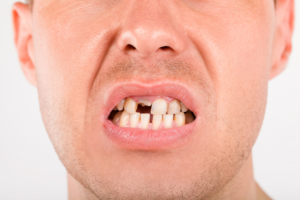
Identifying hypodontia early can prevent functional and cosmetic issues. Common signs include:
- Gaps in the dental arch: Noticeable spaces where permanent teeth are absent
- Delayed eruption of permanent teeth: Teeth may come in later than expected
- Smaller or misshapen neighbouring teeth: Adjacent teeth may grow larger or tilt to compensate
- Difficulty chewing or speaking: Missing teeth can subtly affect bite function and speech clarity
Even minor gaps can alter jaw alignment over time. Dr. Wong explains, “Sometimes the signs are subtle. A small space or slight misalignment could be a clue. Detecting it early ensures simpler treatments and better outcomes.”
Other signs might include uneven wear on existing teeth or increased stress on the jaw muscles. Children may show slower development in their bite or difficulty with the proper pronunciation of certain words. Adults may notice a change in facial appearance or smile symmetry over time.
Hypodontia Causes
Genetic Factors
The most common cause of hypodontia is genetics. Certain genes influence tooth development, size, and eruption patterns. Family history is a key clue — if a parent has missing lateral incisors, the child may inherit the same trait.
Environmental and Developmental Influences
Disruptions during tooth development can also lead to hypodontia, including:
- Maternal illness or medication during pregnancy
- Childhood illnesses affecting jaw or tooth growth
- Trauma to the jaw or primary teeth
Dr. Wong emphasizes, “Even if a permanent tooth hasn’t appeared on schedule, it doesn’t always indicate something is wrong. An evaluation lets us confirm whether it’s hypodontia and plan accordingly.”
How is Hypodontia Inherited?
Inheritance is often multifactorial — a combination of genetics and environmental factors. Genes such as MSX1 and PAX9 are known to affect tooth formation. Family dental history helps predict which teeth might be missing and guides proactive treatment planning. In some cases, hypodontia is associated with syndromes or other developmental conditions, which makes early dental assessment particularly important.
How is Hypodontia Diagnosed?
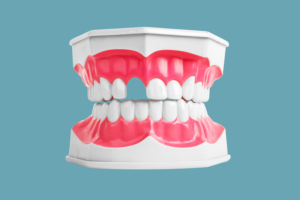
Dentists identify hypodontia through a combination of:
- Oral examination: Checking for gaps, tooth shape, and alignment
- Dental X-rays and panoramic imaging: Revealing which teeth are absent or delayed
- Review of dental history: Tracking eruption patterns and family traits
Early diagnosis in children allows for better planning with orthodontics or restorative options. Dr. Wong notes, “X-rays can show missing teeth before they attempt to erupt. This foresight enables simpler, more effective interventions.”
Sometimes, dentists may use 3D imaging to assess bone density and space available for potential implants. This helps create a long-term treatment plan that balances aesthetics, function, and patient comfort.
How is Hypodontia Treated?
Treatment depends on the number of missing teeth, location, and patient age. Goals include restoring function, aesthetics, and oral health.
Orthodontic Treatment
Braces or clear aligners can:
- Close small gaps caused by missing teeth
- Align the remaining teeth to prevent shifting or crowding
- Improve bite function and symmetry
Dental Implants

A permanent solution, implants involve a titanium post topped with a crown. They preserve bone structure and look natural. Healing time varies depending on age and bone health. Implants are particularly effective in adults whose jaw growth is complete.
Bridges
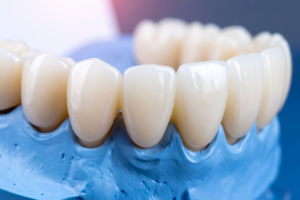
Dental bridges anchor replacement teeth to neighbouring teeth. They’re effective when implants aren’t possible or multiple teeth are missing. Bridges can also provide immediate aesthetic improvements and restore chewing efficiency.
Dentures
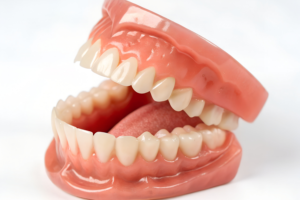
Partial dentures replace multiple missing teeth. Modern designs are comfortable, removable, and aesthetically pleasing. They are a practical solution for adults missing several teeth, especially if bone support for implants is insufficient.
Veneers or Crowns
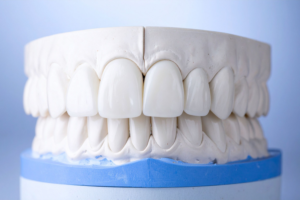
Sometimes, existing teeth are smaller or misshapen. Veneers or crowns can restore symmetry and balance for a harmonious smile. These treatments are often combined with implants or bridges to achieve optimal results.
Dr. Wong adds, “Every hypodontia case is unique. Treatment considers age, bone density, bite alignment, and long-term maintenance needs. The goal is a smile that functions well and looks natural.”
What Can I Expect if I Have Hypodontia?
Patients often worry about functionality and aesthetics. With professional care:
- Chewing efficiency can be restored
- Cosmetic gaps can be closed or replaced
- Speech issues usually improve
- Long-term oral health is preserved
“Modern dental techniques allow patients to regain confidence and avoid secondary problems such as bone loss or misalignment,” says Dr. Wong. “The sooner we address hypodontia, the smoother the process and the better the outcomes.”
Treatment timelines vary depending on age, the number of missing teeth, and chosen interventions. Children may require staged treatments involving orthodontics first, followed by prosthetics. Adults may benefit from combined approaches like implants with crowns for immediate results.
Prevention of Hypodontia
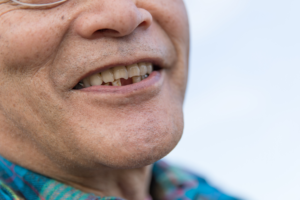
Genetic hypodontia can’t be prevented, but early monitoring and intervention are key:
- Schedule routine dental check-ups from childhood
- Track tooth eruption patterns with early X-rays
- Maintain good prenatal care to support proper tooth development
- Avoid trauma or infection during key developmental stages
Parents can help by observing their child’s smile and consulting a dentist if a tooth doesn’t appear on time. Early intervention allows spacing management, orthodontics, and, if needed, future restorative options. Dr. Wong notes, “Even with a genetic predisposition, proactive care can make a significant difference in outcomes.”
Frequently Asked Questions on Hypodontia
Q. How rare is hypodontia?
It’s relatively common, affecting 2–8% of the population. Most cases involve one or two missing teeth.
Q. What causes hypodontia?
Primarily genetics, sometimes combined with environmental or developmental influences, including illness, medication, or trauma.
Q. What’s the difference between hypodontia and oligodontia?
- Hypodontia = missing up to five teeth
- Oligodontia = missing six or more
- Anodontia = complete absence of teeth
Q. How is hypodontia treated?
Treatment options include dental implants, bridges, partial dentures, orthodontics, and veneers or crowns when teeth are misshapen.
Q. How does hypodontia affect oral health?
If untreated, missing teeth can lead to misalignment, uneven wear, bone loss, and chewing or speech difficulties.
Q. When should I see a dentist about hypodontia?
Early consultation is recommended — during childhood for developmental cases or in adulthood when missing teeth affect function or aesthetics.
Q. Can hypodontia affect self-esteem?
Absolutely. Missing teeth can impact smile aesthetics and confidence. Early treatment helps restore appearance and overall self-confidence.
Final Thoughts
Hypodontia is a manageable condition with modern dentistry. Dr. Elston Wong Dentistry in Barrie provides comprehensive evaluation and tailored treatment plans for patients of all ages.
Missing teeth don’t have to compromise oral health, function, or confidence. Whether it’s a child with a delayed eruption or an adult seeking cosmetic restoration, treatment today offers predictable, long-lasting results.
Dr. Wong advises, “Addressing hypodontia early is the best approach. It leads to simpler procedures, better aesthetics, and a smile you can be proud of for years to come.”
Book an appointment to assess your dental health and explore personalized solutions for hypodontia.