


Understanding tooth cavities, their causes, symptoms, stages, and how to prevent them before it’s too late.
It’s rare to go through life without dealing with a cavity at some stage. Cavities, also known as tooth decay, are among the most common dental problems worldwide. They can start small and silent, but if ignored, they progress into painful, sometimes complicated conditions. The good news is that cavities are preventable, and when caught early, they’re easy to treat.
From Dr. Elston Wong’s experience, cavities are not unusual. What stands out to him is how often a small problem could have been avoided if it had been caught earlier.
Cavity Meaning
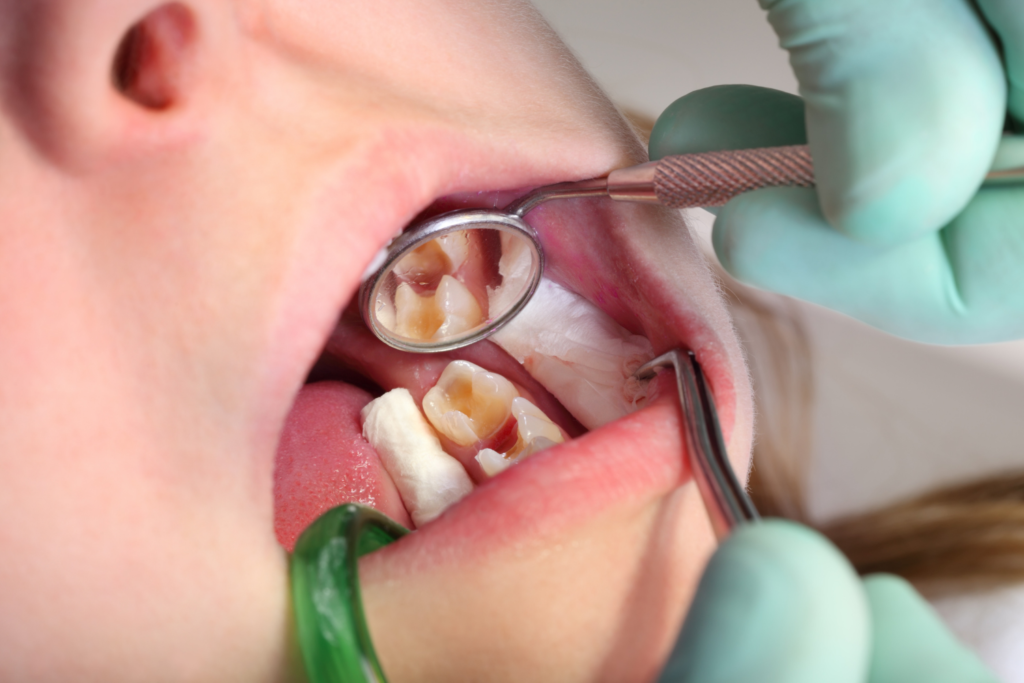
In layman’s language, a cavity is a damaged area on the surface of a tooth that develops into a hole or pit. When we say “cavity meaning,” we are really talking about the visible result of tooth decay, damage caused by bacteria that feed on leftover food particles and sugars in the mouth. Over time, this process erodes the tooth’s outer layer (enamel).
What is a Cavity?

A tooth cavity develops in stages. Plaque is that thin, sticky layer that naturally builds up on teeth and harbours bacteria. When you eat or drink sugary or starchy foods, those bacteria produce acids. These acids weaken and break down the enamel.
When cavities are not addressed on time, they don’t stop at the enamel; they spread into the dentin and eventually reach the pulp, the part of the tooth that contains nerves and vessels. This is when pain often starts.
Types of Cavities
Different areas of the tooth can be affected:
- Smooth surface cavities – Found on the flat surfaces of teeth. They develop slowly and are often preventable with good hygiene.
- Pit and fissure cavities – Appear on the chewing surfaces of molars, where grooves trap food and plaque. Children and teens are especially prone.
- Root cavities – Occur when gums recede and expose tooth roots. Older adults are more at risk since enamel doesn’t protect roots the same way.
Your likelihood of getting one type of cavity over another is not random; it’s shaped by things like hygiene routines, overall health, and how old you are.
Cavity Symptoms
Recognizing tooth cavity symptoms early can make treatment easier. Common signs include:
- That sudden zing in your tooth when it meets hot, cold, or sweet foods
- Dull or sharp toothache
- Visible holes or pits in teeth
- Pain while chewing
- Bad breath or an unpleasant taste in the mouth
What are the Signs of Cavities?
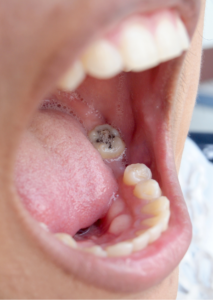
From a patient’s perspective, signs can be as simple as noticing:
- A dark spot on the tooth
- Food gets stuck in the same place repeatedly
- Sharp twinges when drinking something cold
- Persistent bad taste despite brushing
These may feel minor, but they are warning signals to book a checkup. Dr. Wong often explains that what looks like a stain to the eye can sometimes turn out to be the start of a cavity, which is why a proper check matters.
Tooth Decay Stages
Cavities don’t appear overnight. They progress in stages:
- White spots – the first warning sign that minerals are leaching from enamel. At this stage, stronger hygiene and fluoride can often reverse the damage.
- Enamel decay – this is when the surface starts breaking down and tiny holes begin to appear.
- Dentin decay – Damage spreads into the softer layer beneath enamel, often causing sensitivity.
- Pulp damage – Infection reaches the nerve, leading to pain.
- Abscess formation – Severe infection that may cause swelling and requires urgent treatment.
It’s similar to a car tire. At first, the rubber surface (enamel) wears down, then the softer inner layers (dentin) start to give way, until the steel cords (pulp) are left vulnerable.
Causes of Cavities
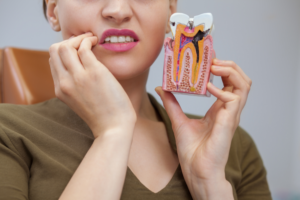
Cavities result from several combined factors:
- Poor brushing or flossing habits
- Frequent consumption of sugary or acidic foods
- Dry mouth (reduced saliva flow)
- Plaque buildup
- Inadequate fluoride exposure
Tooth Decay Risk Factors
Certain groups are more vulnerable to cavities:
- Children and teens (because of developing habits and diet)
- Older adults (due to gum recession and weaker enamel)
- People with medical conditions like diabetes
- Smokers
- Those with a family history of weak enamel or frequent teeth and tooth decay
Being aware of these factors makes prevention easier to manage.
Complications of Tooth Decay
Ignoring cavities can lead to more than tooth pain. Possible complications include:
- Severe infection spreading to other parts of the body
- Tooth loss
- Difficulty chewing, affecting nutrition
- Increased risk of systemic issues, such as heart or digestive problems, due to poor oral health
Seeking treatment promptly, like that available from Dr. Wong’s patient-focused dental clinic in Barrie, helps minimize risks and restore comfort.
Prevention of Tooth Decay
The best approach is prevention. Here are habits that protect your teeth:
- Brush twice daily with fluoride toothpaste
- Floss every day
- Make time for routine dental visits and cleanings to catch problems before they grow.
- Limit frequent snacking and sugary drinks
- Consider fluoride treatments or dental sealants if recommended
Dr. Wong often emphasizes that consistent preventive care saves patients from costly, complex treatments later.
Tooth Decay in Its Early Stages
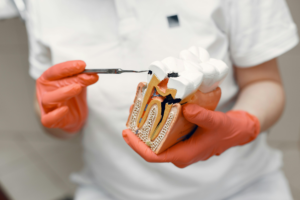
If you notice early signs like white spots or mild sensitivity, it’s possible to stop tooth decay from progressing.
Better brushing habits, small changes in diet, and extra fluoride can help rebuild and strengthen enamel. But once decay breaks through the enamel, it can’t heal on its own, it needs dental treatment.
Closing Thoughts
Cavities are common, but they don’t have to become a serious problem. Recognizing symptoms early, practicing preventive care, and scheduling regular dental visits make all the difference. If you are in Barrie and suspect a tooth cavity or just want peace of mind, consider visiting Dr. Elston Wong Dentistry for a professional evaluation. Early care is always easier, less costly, and better for your long-term health.
Frequently Asked Questions Regarding Cavities
Q: What is the duration required to complete a cavity filling procedure?
Most cavity fillings take 30 minutes to an hour, depending on size and location.
Q: What is the appearance of a dental cavity?
It may look like a dark spot, hole, or visible pit. Some appear as discoloured areas (brown, black, or even white).
Q: What is a progressive cavity pump?
This isn’t a widely recognized term in dentistry. If you’ve heard it, it may be a misinterpretation. Cavities progress naturally if untreated, but there’s no such “pump.”
Q: How can one ascertain the presence of a dental cavity?
Pay attention to sensitivity, pain, or visible holes. The only way to confirm is through a dental exam and sometimes X-rays.
Q: What is the cost of a dental filling?
In Canada, costs vary based on size and material. A filling may range from $150–$400. Factors include tooth location and material used.
Q: Cavities vs. stains, how do they differ?
Stains are discolorations on the surface, often caused by coffee, tea, or tobacco. Cavities are structural damage, usually with rough edges or holes.
Q: What sensations are associated with a cavity?
Sharp pain, dull ache, sensitivity to sweet, hot, or cold foods, or discomfort when chewing.
Q: What are the consequences of having a cavity for an extended period?
Untreated cavities can cause infection, tooth loss, and spread decay to nearby teeth.
Q: Is it possible for a cavity to self-heal?
In the earliest stage (white spots), enamel can remineralize. But once enamel is broken, professional treatment is necessary.
Q: Is it too late if a cavity is causing pain?
Not at all. Pain is your body’s warning. Treatment options like fillings, root canals, or crowns can still save the tooth