
Bridges

Bridges

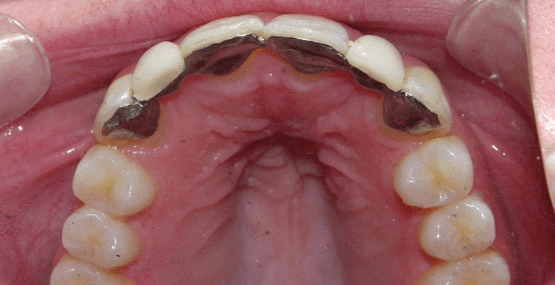
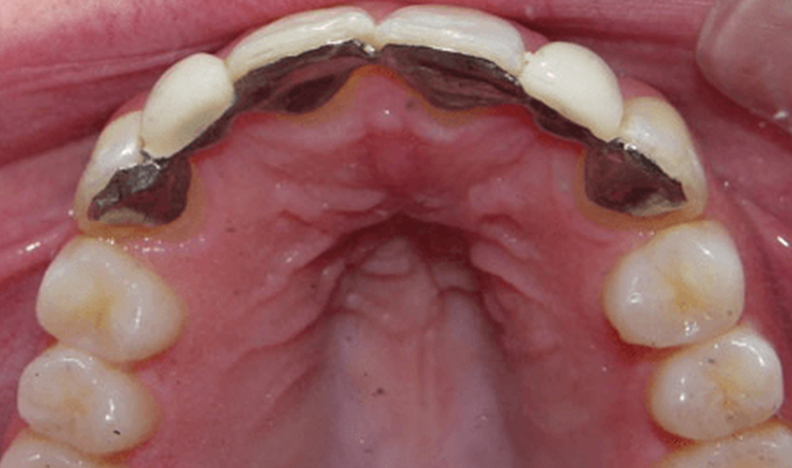
There are situations where implants are not feasible – whether it be due to inadequacies in space, bone, time, or general health – sometimes a bridge is the best treatment. Akin to a bridge on a road where there is a span supported at both ends, a dental bridge involves a prosthetic tooth (or teeth) supported at both ends by natural teeth. Bridges do not come in and out of the mouth, so hygiene around them needs to be strictly maintained. This is a patient who had a terrible-looking Maryland bridge to replace her upper lateral incisors. The greyness of the backing metal wings ended up making her front teeth look dark as well. When one side of the bridge became loose and she jumped at the chance to replace the whole thing.

Treatments

Upper arch with dental appliance visibleUpper dental arch showing palate
Placeholder tile with search icon

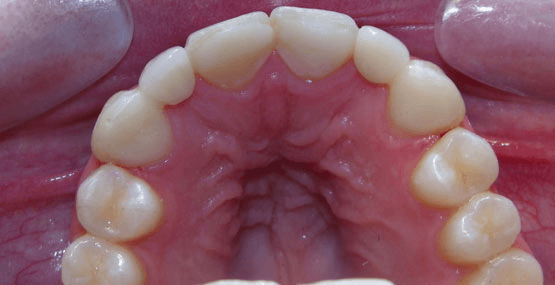
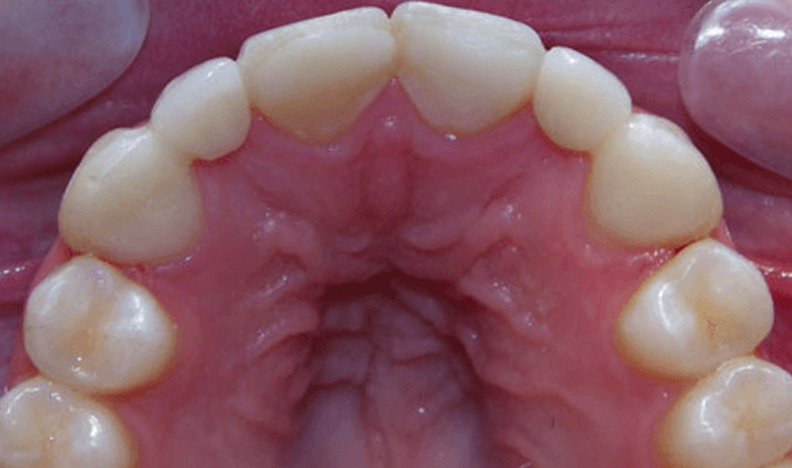
Ultimately, we chose to do two separate bridges out of an all-ceramic material, bonded only to the canines on each side. E.max lithium disilicate bridges from Ivoclar Vivadent 13-X and X-23, cemented by first air abrading the teeth, acid etching with Bisco’s Uni-etch 32% H3PO4 (aq) with BAC, and finally bonding in with Calibra Adhesive Resin cement as per recommended protocol. The results showcase a much more natural smile that’s both brighter and more resilient.
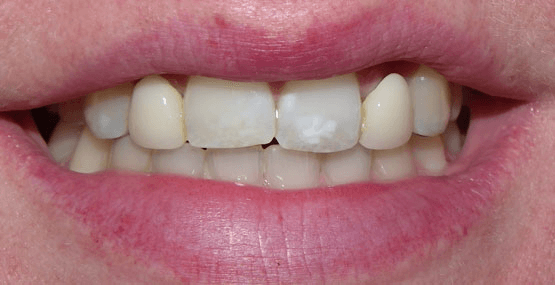
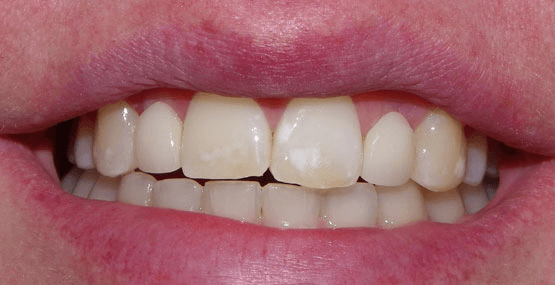
Before & after
Bridges

Good vs. bad Bridges

Try our virtual smile simulation