


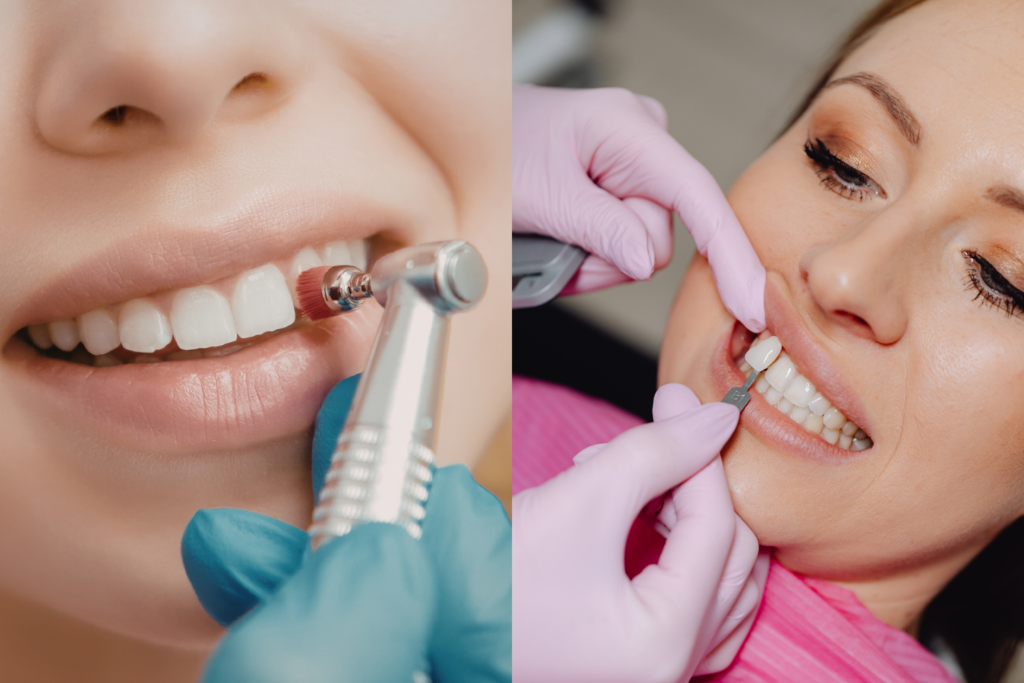
Compare dental bonding and veneers to find the right solution for your smile, lifestyle, and budget.
Bonding & Veneers
Bonding & veneers are two of the most popular cosmetic dental treatments for improving the appearance of teeth, and for good reason.
They can fix chips, close small gaps, cover stains, and smooth out uneven edges without major dental work.
Still, choosing between them is not always straightforward. Patients often ask us, “Which one looks better?”, “Which one lasts longer?”, or “Am I going to regret choosing the cheaper option?”
That hesitation makes sense. Cosmetic dentistry is not just about looks. It’s about confidence, comfort, and trusting that you are making a decision you will be happy with years from now.
Here’s the thing. Both options are safe, effective, and widely used.
The better choice depends on what you want to fix, how long you want results to last, and how much flexibility you need with budget and maintenance.
What Is Dental Bonding?

Dental bonding is a cosmetic procedure that uses a tooth-coloured composite resin to improve the shape, colour, or size of a tooth. The material is applied directly to the tooth, sculpted by hand, and then hardened with a curing light.
It’s minimally invasive, usually painless, and often completed in a single visit.
When patients begin comparing bonded teeth vs veneers, bonding is typically the simpler and more conservative option. There’s no lab work involved and, in many cases, little to no enamel removal.
At Dr. Elston Wong Dentistry in Barrie, bonding is often used for targeted improvements rather than full smile makeovers. It’s especially helpful when patients want visible improvement without committing to permanent changes right away.
Who Is Dental Bonding Best For?
Dental bonding works best when the concern is minor and localized.
It’s often ideal for:
- Small chips or cracks
- Minor gaps between teeth
- Uneven or worn edges
- Mild discolouration
- Quick cosmetic fixes
Dr. Wong often explains that bonding is like a skilled touch-up rather than a full renovation. It works beautifully when expectations are realistic, and the underlying tooth structure is healthy.
For patients unsure about committing to veneers, bonding can also be a helpful starting point to see how cosmetic changes feel.
How Dental Bonding Is Performed
The bonding process is straightforward and generally stress-free.
First, the tooth surface is gently prepared so the resin adheres properly. Very little enamel is removed, if any.
Next, the composite resin is applied and carefully shaped to match the natural tooth. This step matters more than most people realize. Good bonding should blend quietly with surrounding teeth, not stand out.
Once the shape is right, a curing light hardens the material. Final polishing smooths the surface so it reflects light like natural enamel.
Most patients leave the same day with immediate results, which is part of why bonding remains so popular.
What Are Dental Veneers?
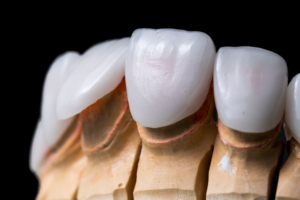
Veneers are thin shells placed over the front surface of teeth to improve colour, shape, size, and alignment. They are often chosen when patients want a more uniform or dramatic cosmetic change.
There are two main types:
- Composite resin veneers
- Porcelain veneers
When comparing composite bonding teeth vs veneers, veneers are generally selected for cases involving multiple teeth or more noticeable aesthetic concerns.
How Composite Resin Veneers Are Placed
Composite veneers use the same resin material as bonding, but cover a larger portion of the tooth.
The resin is layered and sculpted directly on the tooth during a single visit. When done well, the result can look very natural and significantly improve symmetry.
Composite veneers are more affordable than porcelain but tend to stain and wear faster. They are often chosen by patients who want a visible upgrade without committing to the cost or permanence of porcelain veneers.
How Porcelain Veneers Are Placed
Porcelain veneers are custom-made in a dental lab and usually require multiple visits.
At the first visit, a small amount of enamel is removed from the front of the tooth to make space for the veneer. Impressions are taken, and temporary veneers may be placed.
Once the final veneers return from the lab, they are bonded permanently to the teeth.
Porcelain veneers are known for their strength, stain resistance, and lifelike appearance. From Dr. Wong’s experience, they are often the best option for patients seeking long-term cosmetic results with predictable durability.
Who Is a Good Candidate for Veneers?
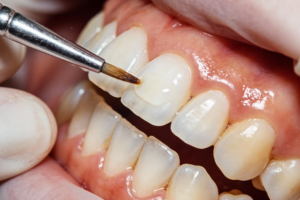
Veneers are well-suited for patients who want lasting or more dramatic cosmetic changes.
They are commonly recommended for:
- Deep or stubborn stains
- Uneven or asymmetrical teeth
- Larger gaps
- Worn or shortened teeth
- Multi-tooth smile makeovers
At Dr. Elston Wong Dentistry, veneers are frequently chosen by adults who want a polished, long-term result and understand that veneers are a permanent commitment.
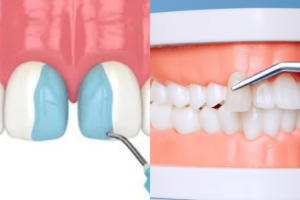
Teeth Bonding vs Veneers: Key Differences
Appearance
Veneers, especially porcelain, offer the most consistent and refined appearance. Bonding can look excellent, but it relies heavily on technique and material quality.
Durability
Bonding typically lasts several years. Veneers, particularly porcelain, often last a decade or more with proper care.
Invasiveness
Bonding is minimally invasive and often reversible. Veneers usually require permanent enamel removal.
Maintenance
Bonding may need touch-ups over time. Veneers are more stain-resistant and have lower maintenance in the long term.
Reversibility
Bonding can usually be removed or adjusted. Veneers are considered a permanent commitment.
This is why teeth bonding vs veneers is not about which is better. It’s about which fits your expectations, timeline, and comfort level.
Teeth Bonding vs Veneers Cost in Canada
Cost is a common deciding factor.
When patients search teeth bonding vs veneers cost or cost teeth bonding vs veneers, pricing is influenced by:
- Number of teeth treated
- Materials used
- Case complexity
- Longevity expectations
Bonding is usually more affordable upfront. Veneers cost more initially but may offer better long-term value due to durability and stain resistance.
Insurance coverage varies and often depends on whether the treatment is considered cosmetic or restorative. A consultation is the best way to understand realistic costs and options.
Longevity, Maintenance & Aftercare
Bonding typically lasts 3–7 years, depending on habits such as grinding, nail biting, or chewing ice.
Composite veneers last longer than bonding but may still require replacement sooner than porcelain.
Porcelain veneers often last 10–15 years or longer with proper care.
Regardless of the option, daily brushing, flossing, regular checkups, and avoiding excessive force on teeth are essential. At Dr. Elston Wong Dentistry, preventive care plays a big role in protecting cosmetic work long-term.
A Note on Safety, Comfort, and Natural Results
Many patients quietly worry, “Will this look fake?” or “Will this damage my teeth?” That hesitation is completely normal.
Both bonding and veneers are safe, conservative treatments when planned properly. Neither should compromise tooth health when done with restraint and skill.
Comfort matters too. Bonding often feels more like a long polishing appointment. Veneers may cause temporary sensitivity during preparation, but most patients tolerate it very well.
Dr. Wong often reassures patients that cosmetic dentistry should never feel rushed or intimidating. A great result should look natural, feel comfortable, and still look like you.
Bonding or Veneers: Which Is Right for You?
If you want a conservative, budget-friendly option for a small concern, bonding may be ideal.
If you are seeking long-term, dramatic improvement and are comfortable with a more involved process, veneers may be worth the investment.
Dr. Wong often reminds patients that cosmetic dentistry should support overall oral health, not just appearance. The best results come from matching treatment to real needs, not trends.
Conclusion
When comparing dental bonding vs veneers, both options are proven, safe, and effective when performed by an experienced dentist.
Bonding offers flexibility and affordability. Veneers provide durability and transformative results. The right choice depends on your goals, your teeth, and how long you want the results to last.
At Dr. Elston Wong Dentistry, every cosmetic plan is guided by education, honesty, and long-term oral health.
Frequently Asked Questions: Teeth Bonding vs Veneers
Q. What is better, dental bonding or veneers?
Neither is universally better. Bonding suits minor fixes, while veneers work better for long-term cosmetic changes.
Q. What are the disadvantages of teeth bonding?
Bonding is less durable and more prone to staining or chipping over time.
Q. Do dentists recommend bonding?
Yes, when it’s appropriate for the concern and expectations are realistic.
Q. What lasts longer, veneers or bonding?
Veneers, especially porcelain, typically last much longer than bonding.