



Learn what impacted wisdom teeth are, how they can affect your oral health, and when removal is the safest option, from Barrie’s trusted dental team.
Overview

Impacted wisdom teeth have a knack for stirring up trouble at the least convenient time. The phrase may sound dramatic, but it simply means your wisdom teeth are stuck and cannot erupt properly.
Some remain partially covered by gums, others are buried beneath bone, and a few sit at angles that make you wonder whether the tooth ever got the memo about alignment.
Wisdom teeth are not villains. They are just late bloomers with poor timing. When they don’t have the space to emerge, they become impacted wisdom teeth, and this can lead to discomfort, swelling, infection or even pressure on neighbouring teeth.
In our Barrie clinic, we often meet teens and young adults who assume the pain is temporary. Dr. Wong usually smiles and says, “Wisdom teeth love pretending to be shy until they cause enough trouble to demand attention.”
Understanding what is going on beneath the gums helps you make confident decisions. Let’s walk through the symptoms, the risks, and how treatment works so you know exactly when to step in.
What Are Impacted Wisdom Teeth?

An impacted tooth is essentially stuck in traffic. It tries to erupt, but something blocks it. The obstacle might be the jawbone, gums or the tooth in front of it.
When wisdom teeth impacted by these barriers fail to break through completely, they become vulnerable to infection, inflammation and pressure against nearby teeth.
People often ask what impact means for wisdom teeth, and the simplest explanation is this. The tooth wants to join the party, but the door is jammed. Instead of erupting into the mouth, it tilts, pushes or stalls beneath the surface. Some impacted wisdom teeth sit horizontally. Others angle toward the second molar.
A few stay upright but never quite break through. Each version comes with its own set of symptoms and challenges.
Symptoms of Impacted Wisdom Teeth

Not everyone feels symptoms right away, which can make these teeth surprisingly sneaky. When symptoms do show up, they often include:
Pain or soreness
Wisdom tooth pain is usually the first sign. It may come and go or feel like a deep ache at the back of your jaw.
Swelling of the gums or jaw
Inflamed tissue around the area can make chewing uncomfortable and may be accompanied by stiffness.
Bad breath or unpleasant taste
When food or bacteria collect around a partially erupted tooth, the area becomes hard to clean. The result is an odour or a sour taste.
Gum irritation
Sometimes the gum tissue forms a small flap over the partially erupted tooth. This trap becomes a perfect home for bacteria.
Headaches or ear pain
Pain often radiates, so symptoms impacted wisdom teeth can easily feel like earaches or tension headaches.
Difficulty opening your mouth fully
If swelling increases, your jaw may feel tight or less flexible.
If any of these symptoms linger, that is your cue to get an evaluation. Impacted teeth rarely improve on their own.
Why Wisdom Teeth Become Impacted
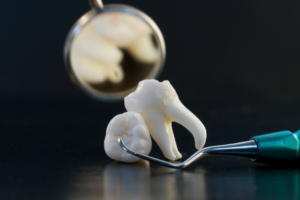
Wisdom teeth may be late arrivals, but the reasons they become impacted are surprisingly straightforward.
Not enough space
Most of us simply do not have room for a third set of molars. Human jaws have evolved to be smaller, while tooth count has remained the same.
Tooth angle
Some wisdom teeth try to grow sideways. A tooth pointing horizontally, diagonally or backward has nowhere to go but into the neighbouring tooth or bone.
Genetics
Family patterns can make impacted teeth more likely. If your parents dealt with wisdom tooth issues, you may follow the same path.
Late eruption
Because wisdom teeth erupt later than other molars, the surrounding teeth have already settled snugly into place. There’s no vacancy left at the back of the mouth.
From Dr. Wong’s experience, impacted teeth are not the fault of bad brushing or flossing. They are simply a matter of anatomy, timing and luck.
Risks and Complications of Impacted Wisdom Teeth
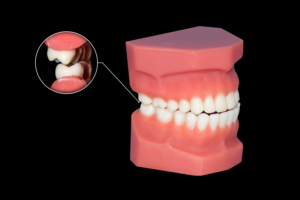
Ignoring impacted teeth is a bit like ignoring a warning light on your car dashboard. Things may seem fine at first, but trouble tends to build quietly.
Infection
A partially erupted tooth forms a pocket where bacteria thrive. This can lead to wisdom tooth infection, swelling and pain that makes eating difficult.
Cysts
A sac of fluid can develop around the tooth. Left untreated, cysts may damage the jawbone or nearby teeth.
Cavities and gum disease
A tilted wisdom tooth is difficult to clean. Bacteria accumulate, raising the risk of decay or gum inflammation.
Damage to neighbouring teeth
Pressure from wisdom teeth impacted against the second molar can cause erosion or shifts in alignment.
Crowding
If your teeth were straight after orthodontic treatment, impacted wisdom teeth can nudge them out of position again.
The sooner these issues are identified, the easier they are to manage.
Impacted Wisdom Teeth Removal
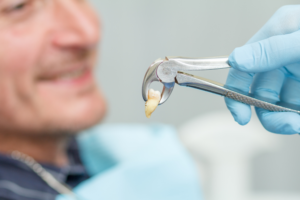
At some point, the safest option is impacted wisdom teeth removal. People often imagine that extraction is dramatic or painful, but that is far from the reality. Modern techniques and sedation options allow the process to be calm, efficient and surprisingly uneventful.
The evaluation
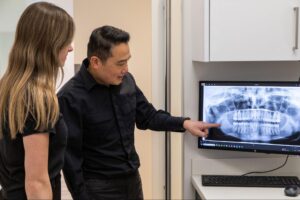
Dr. Elston Wong begins with diagnostic imaging to map out the tooth’s position, angle and proximity to nerves and sinuses. This helps plan the least invasive approach.
The procedure
Impacted wisdom teeth removal usually involves numbing the area and gently accessing the tooth. Sometimes the tooth is removed in one piece. Other times it is sectioned into smaller pieces so the surrounding tissue experiences minimal strain.
Recovery
Most patients rest the same day and feel significantly better within a few days. Soreness is normal, but it improves steadily. Following aftercare instructions helps the healing process move along smoothly.
When Is Removal Necessary?
Here’s when removal becomes the recommended choice:
- Recurring pain or swelling
- Gum infection around the wisdom tooth
- Decay in the wisdom tooth or the tooth next to it
- Cysts or pockets forming around the tooth
- Orthodontic concerns or crowding
- Pressure or discomfort when chewing
There is also the scenario where the tooth hasn’t caused symptoms yet, but is positioned in a way that almost guarantees future trouble. In cases like that, early removal prevents problems before they have a chance to develop.
Sedation and Pain Management Options
A lot of patients walk in a little nervous. That is completely normal. Our team in Barrie offers different sedation options to make the experience comfortable for every personality type.
Local anesthetic
Ideal for straightforward cases. You stay awake but feel no pain.
Conscious sedation
A calming option that helps anxious patients relax. You remain responsive but comfortable.
IV sedation
For more complex extractions or patients with significant anxiety, IV sedation offers deeper relaxation and a smooth, stress-free experience.
Dr. Wong often reminds patients that wisdom tooth extraction visits do not need to feel intimidating. With the right sedation plan, it becomes far more manageable than people expect.
Recovery and Aftercare Tips
After the extraction, small steps make a big difference.
- Rest for the first 24 hours.
- Use gauze as directed to manage bleeding.
- Apply cold packs intermittently.
- Stick to soft foods like yogurt, soups and mashed potatoes.
- Avoid straws for a few days to protect the healing site.
- Keep the area clean with gentle rinsing after the first day.
- Take prescribed or recommended medication as instructed.
Most patients are back to normal routines within a few days. Healing continues quietly beneath the surface for a few weeks.
Why Choose Dr. Elston Wong Dentistry for Wisdom Tooth Care?

Dr. Elston Wong brings more than 20 years of clinical experience and a whole-mouth approach to every evaluation. That means he looks not just at the wisdom tooth itself but at your bite, your jaw structure and your long-term oral health.
Our Barrie clinic offers:
- Advanced imaging that maps out roots, nerves and bone density
- Sedation Dental Services for every comfort level
- Preventive guidance that helps you make informed decisions
- A team known in Barrie for clear explanations and calm, supportive care
Families trust Dr. Wong for wisdom tooth extraction Barrie services because the process feels thoughtful, steady and grounded in experience.
Frequently Asked Questions on Impacted Wisdom Teeth
Q. Are impacted wisdom teeth harder to remove?
They can be, depending on their angle and depth. Experienced dentists manage these situations routinely, and sedation keeps patients comfortable.
Q. Are non-impacted wisdom teeth easier to remove?
Generally yes. If the tooth has erupted normally, extraction tends to be simpler and recovery quicker.
Q. Can impacted wisdom teeth cause teeth to shift?
Yes. Pressure from an impacted tooth can nudge neighbouring teeth, especially if space is limited.
Q. Can impacted wisdom teeth fix themselves?
Unfortunately no. Once a tooth is impacted, it stays impacted. Symptoms may come and go, but the tooth’s position will not change on its own.
Q. Can wisdom teeth impact sinuses?
Upper wisdom teeth sit close to the sinuses. In some cases, an infection or pressure from the tooth can contribute to sinus discomfort.
If you are dealing with wisdom tooth pain, swelling or uncertainty about whether your wisdom teeth are impacting your comfort, this is the right time to get them evaluated. Our team is here to help you make sense of what’s going on and guide you toward the safest treatment plan.