


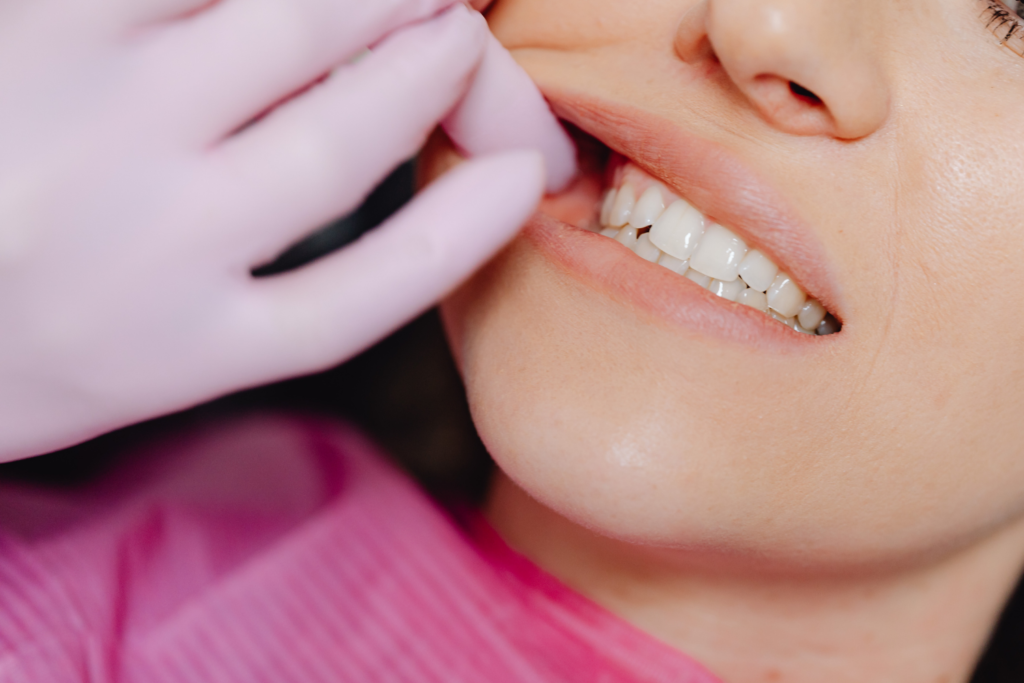
Learn what causes transparent-looking teeth, how to restore enamel health, and ways to protect your smile.
If you have ever noticed your teeth looking slightly see-through at the edges or appearing duller than before, you are not alone.
This condition, often called translucent teeth, is a common sign of enamel thinning. The enamel is what gives teeth their strength, colour, and natural shine.
When it begins to wear away, the underlying layer (called dentin) starts to show through, creating that transparent or glassy appearance.
The good news is that translucent teeth can often be treated and, more importantly, prevented.
According to Dr. Elston Wong, “Translucency is an early warning sign. It’s your enamel’s way of saying it needs protection, not panic.”
Let’s break down what causes this, how to fix it, and the best ways to keep your enamel strong for the long run.
What Are Translucent (Transparent) Teeth?
Translucent teeth, also referred to as transparent teeth, appear slightly see-through near the biting edges, especially on the front teeth. While all enamel has a hint of natural translucency, noticeable transparency or fading is a red flag for enamel erosion.
Enamel doesn’t regenerate. Once it’s worn down, it can’t grow back, but there are ways to restore the tooth’s appearance and strength.
Dr. Wong explains that the key lies in identifying what’s causing the erosion and addressing it early. “Many people focus only on the cosmetic side of how their teeth look but the structural aspect is equally important. Enamel thinning, if left unchecked, can increase sensitivity and long-term damage.”
Causes of Translucent Teeth
So, what leads to enamel erosion and that transparent look? Here are the most common causes Dr. Wong and his team see in patients.
1. Acidic Foods and Drinks
Frequent consumption of citrus fruits, sodas, wine, and vinegar-based foods can gradually weaken enamel. Acid dissolves the protective minerals, leading to thinning and transparency. Even seemingly healthy habits like sipping lemon water can harm enamel if done excessively or without rinsing afterward.
2. Genetics
Some people are simply born with thinner enamel. This means they may experience translucency earlier in life, even with good oral care. Genetics can also influence enamel colour, hardness, and resistance to acid.
3. Celiac Disease and Nutritional Deficiencies
Celiac disease can interfere with nutrient absorption, especially calcium and vitamin D, both critical for enamel strength. People with chronic deficiencies may notice more fragile, translucent teeth.
4. Acid Reflux or Frequent Vomiting
Conditions like GERD (acid reflux) or eating disorders that involve frequent vomiting expose teeth to stomach acid. This strong acid erodes enamel far faster than foods or drinks do.
5. Overuse of Whitening Products
Whitening toothpaste or strips used too often can contribute to enamel wear. Many patients overuse them, thinking whiter means healthier, but Dr. Wong notes, “Whitening without professional supervision can strip away enamel and make teeth appear translucent instead of brighter.”
6. Dry Mouth (Xerostomia)
Saliva helps neutralize acid and wash away bacteria. Reduced saliva flow, due to certain medications or dehydration, can make enamel more vulnerable over time.
7. Aging
As we age, enamel naturally thins. Combine that with years of dietary acid exposure and grinding, and translucency becomes more common.
Treatments for Translucent Teeth
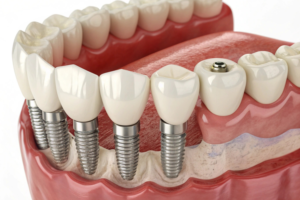
The right treatment depends on how advanced the enamel loss is. Dr. Wong’s approach focuses on both restoring aesthetics and protecting function, so the solution isn’t just cosmetic, it’s preventive too.
1. Dental Bonding
Bonding involves applying a tooth-coloured resin to rebuild the worn or transparent area. It’s one of the quickest and least invasive options for mild to moderate translucency. Bonding restores the natural opacity and smoothness of the tooth surface while sealing it against further wear.
2. Dental Crowns
For teeth that are more severely eroded or weakened, crowns may be needed. A crown covers the entire tooth, protecting it from further damage and restoring both its look and bite strength. Crowns are often recommended for back teeth that take more chewing pressure.
3. Porcelain Veneers
Veneers are thin porcelain shells placed on the front surface of the teeth. They are ideal for cosmetic improvement and provide added protection against future erosion. As Dr. Wong points out, “Veneers can do more than enhance appearance; when properly planned, they help preserve what’s left of natural enamel.”
4. Remineralization and Home Care
While enamel can’t regrow, remineralization can help strengthen what remains. Products like fluoride toothpaste or calcium phosphate pastes rebuild lost minerals.
At home, patients can use a soft-bristled brush, avoid aggressive brushing, and rinse after consuming acidic food or drinks.
Dr. Wong often recommends a personalized remineralization plan that includes in-office fluoride treatments combined with at-home enamel-protecting care.
5. What Happens If You Don’t Treat Translucent Teeth?
If left untreated, translucent teeth can become sensitive, discoloured, and prone to chipping or decay. Enamel erosion progresses slowly but continuously. The earlier you address it, the easier and less invasive the treatment tends to be.
Prevention of Translucent Teeth
Preventing translucency is about protecting your enamel every day. Small, consistent habits make a big difference.
1. Limit Acidic and Sugary Foods
Cut down on soda, citrus, and vinegar-heavy foods. If you do consume them, rinse your mouth afterward or chew sugar-free gum to stimulate saliva.
2. Brush Smart
Use a soft-bristled toothbrush and fluoride toothpaste. Avoid brushing right after eating acidic food or drinks; wait at least 30 minutes. Brushing too soon can push acid deeper into the enamel.
3. Strengthen Enamel
Include calcium-rich foods like cheese, almonds, and leafy greens in your diet. Professional fluoride treatments or at-home remineralizing products can add an extra layer of protection.
4. Regular Dental Visits
Routine check-ups allow your dentist to catch early signs of enamel wear. Dr. Wong emphasizes preventive care: “Patients often think of dental visits as reactive, only when something hurts. But with enamel loss, prevention is everything.”
5. Avoid Over-Bleaching
Whitening treatments should always be supervised. Over-bleaching weakens enamel and worsens translucency.
6. Stay Hydrated
A healthy saliva flow helps neutralize acids naturally. Drink plenty of water and avoid excessive caffeine or alcohol, which can dry out the mouth.
Frequently Asked Questions on Translucent Teeth
Q. What does translucent mean?
It means partially see-through. When applied to teeth, it indicates enamel has thinned enough for light to pass through more easily.
Q. Why are my teeth translucent?
It’s usually due to enamel erosion from acid, genetics, or underlying conditions like reflux or celiac disease.
Q. How to fix translucent teeth naturally?
While enamel can’t be regrown, remineralization can strengthen existing enamel. Use fluoride toothpaste, maintain a balanced diet, and stay hydrated.
Q. Are teeth supposed to be translucent?
A little translucency is normal, especially near the edges. But noticeable transparency signals enamel wear.
Q. Are translucent teeth normal?
They are common but not ideal. It’s a sign your enamel needs protection.
Q. Can translucent teeth be fixed?
Yes. Treatments like bonding, veneers, or crowns can restore strength and appearance.
Q. How are translucent teeth treated?
Depending on the case, your dentist may recommend bonding, veneers, or crowns, along with remineralization therapy.
Q. When should translucent teeth be treated by a healthcare provider?
If you notice transparency spreading, increased sensitivity, or dullness, visit your dentist promptly. The earlier it’s treated, the better the outcome.
Final Thoughts
Translucent teeth are more than a cosmetic concern; they are your mouth’s way of signalling enamel wear. The earlier you recognize it, the easier it is to manage.
Dr. Elston Wong Dentistry takes a prevention-first approach, combining diagnostic precision with restorative care. Whether through bonding, remineralization, or full cosmetic restoration, Dr. Wong’s philosophy remains consistent: protect natural enamel wherever possible, restore thoughtfully, and maintain a balanced, healthy smile for life.
Book an appointment to assess your enamel health and explore personalized treatment options to keep your smile clear, strong, and confident.