


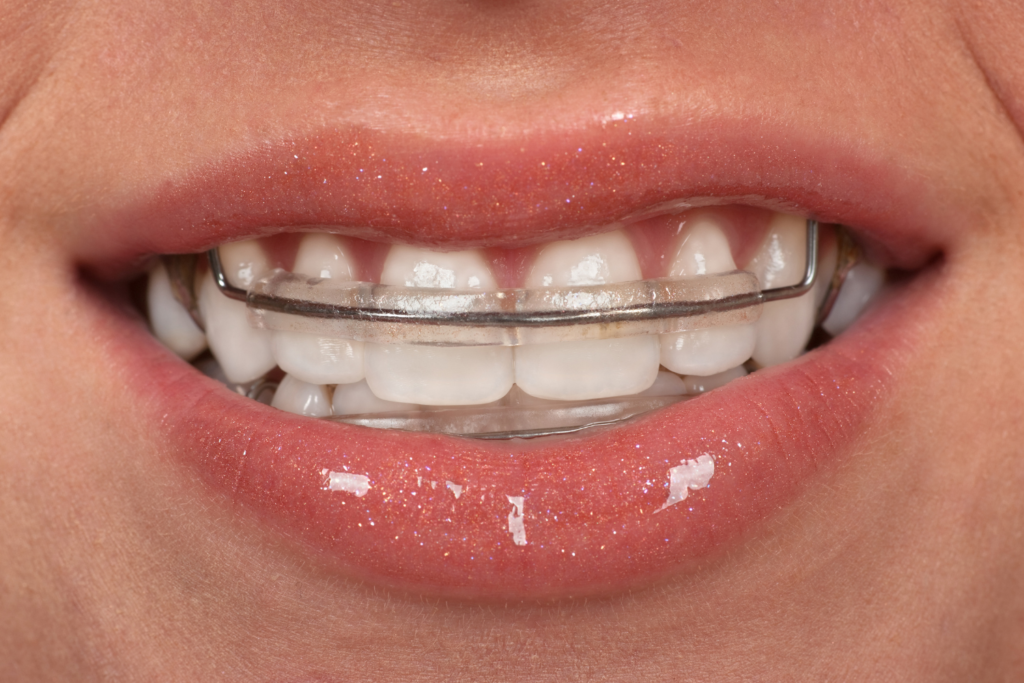
A complete guide to understanding retainers, their role in orthodontics, and how to care for them.
Completing orthodontic treatment is a huge milestone. Whether it’s braces or clear aligners, seeing your teeth perfectly aligned feels like a victory.
But here’s the thing: your journey doesn’t stop once the braces come off. To keep that smile exactly where you want it, retainers are essential.
Retainers are often overlooked, yet they play a crucial role in maintaining the results of orthodontic care. Without them, teeth can slowly drift back to their original positions, even months or years after treatment.
In this guide, we’ll explore what retainers are, the types available, how they work, and practical tips to care for them. By the end, you’ll feel confident about using and looking after your retainer, helping your smile last a lifetime.
What is a Retainer?
A retainer is a dental appliance designed to hold your teeth in place after orthodontic treatment. Think of it as the final step in your teeth-straightening journey. After braces or aligners shift your teeth into their ideal position, your jaw, gums, and bone need time to stabilize. Without a retainer, teeth can gradually shift back, undoing the results you worked hard to achieve.
The meaning of retainers is simple: they preserve the time, effort, and investment you’ve put into achieving a healthy, straight smile. Retainers aren’t just cosmetic; they protect the functional alignment of your bite, which is important for chewing, speaking, and overall oral health.
What are the Different Types of Retainers?
Retainers generally fall into two categories: fixed and removable. Each has unique features, benefits, and considerations. Understanding the differences can help you and your dentist decide which type is best for your situation.
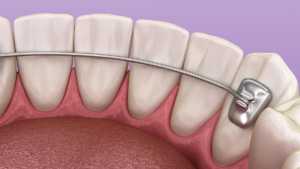
- Fixed Retainers: These retainers are bonded to the back of your teeth and stay in place continuously. They’re ideal for patients who might forget to wear a removable appliance or for areas where teeth are more prone to shifting.
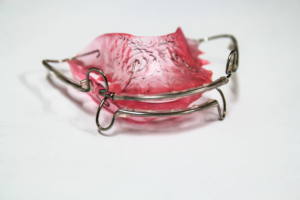
- Removable Retainers: These can be taken out when eating or cleaning and come in different forms, including Hawley retainers (classic wire and acrylic design) and clear plastic retainers (invisible and custom-moulded).
Materials range from metal wires to clear acrylic or plastic. The choice depends on your orthodontist’s recommendation, lifestyle, and comfort. Some patients prefer the discreet look of clear retainers, while others value the reliability of a fixed wire.
What Do Retainers Do for Teeth?
Retainers help prevent teeth from shifting back into their pre-treatment positions. When your braces or aligners are removed, the bone and tissue surrounding your teeth need time to adapt. Retainers maintain alignment, protect your bite, and ensure long-term results.
Beyond aesthetics, properly aligned teeth make oral hygiene easier, reducing the risk of cavities and gum disease. Misaligned teeth can trap food and plaque, making brushing and flossing less effective. Wearing a retainer is not just about maintaining a straight smile; it’s an investment in your overall dental health and confidence.
Who Fits Retainers?
Retainers are custom-made for each patient. Orthodontists or trained dentists take precise impressions or digital scans of your teeth to create a perfect fit.
During a fitting appointment, your dentist ensures the appliance sits comfortably, doesn’t interfere with your bite, and allows you to speak clearly. They’ll provide detailed instructions for wear, cleaning, and storage. Follow-up visits may be scheduled to monitor how your teeth are responding and make adjustments if needed.
Dr. Wong often emphasizes that a retainer is only effective if it fits correctly, so professional guidance is key!
What are Fixed Retainers?
Fixed retainers consist of a thin wire bonded to the back of your front teeth, typically on the lower or upper arch. Once in place, they remain virtually invisible.
Benefits:
- Continuous protection without relying on memory to wear it
- Very effective at maintaining alignment, especially for lower front teeth
- Durable and long-lasting with proper care
Limitations:
- Requires careful oral hygiene to prevent plaque and tartar buildup
- May feel unusual initially or slightly affect flossing
- Not easily removable for cleaning
Many patients appreciate the convenience of fixed retainers. You don’t have to remember to wear them every day, and they provide consistent support. Dr. Wong notes that for patients prone to forgetting removable appliances, fixed retainers are a reliable solution.
What are Removable Retainers?
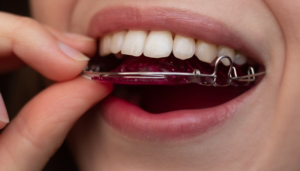
Removable retainers are designed to be taken in and out for eating, cleaning, or special occasions. The two main types are:
- Hawley Retainers: Made of acrylic with a metal wire across the front teeth. Durable and adjustable, they can last several years if cared for properly. The wire allows minor adjustments over time, which can be helpful if your teeth start to shift slightly.
- Clear Plastic Retainers: Also called Essix retainers, these are nearly invisible and moulded to your teeth. They’re comfortable and aesthetically pleasing, but may need replacement more often due to wear and tear.
Removable retainers offer flexibility, but their success depends on consistent daily use. Teenagers and adults often prefer them for their convenience and discreet appearance. Dr. Wong often recommends wearing them full-time initially, then transitioning to nighttime wear as teeth stabilize.
How are Retainers Fitted?
Here’s what to expect during a retainer fitting:
- Dental Impression or Scan: Your orthodontist takes a precise mould or digital image of your teeth.
- Custom Fabrication: Using the impression, the lab creates a retainer tailored to your teeth.
- Fitting Appointment: The dentist checks the fit, ensures it’s comfortable, and explains how to wear and care for it.
- Adjustment: Minor tweaks may be made to perfect the fit and avoid discomfort.
A well-fitted retainer should feel snug but not painful. Any soreness usually resolves within a few days. Regular check-ups help ensure the retainer continues to fit properly as your teeth settle over time.
Risks and Benefits
What are the Advantages of Using a Retainer?
- Maintains teeth alignment after braces or aligners
- Protects your bite and jaw from shifting
- Preserves long-term orthodontic results
- Supports oral hygiene by keeping teeth properly spaced
- Prevents costly corrective treatment in the future
What Happens if I Don’t Wear My Retainer?
Skipping your retainer can cause teeth to move back into their original positions, a process called relapse. Even small shifts can affect your bite and the symmetry of your smile. Once teeth begin moving, correcting them often requires additional orthodontic treatment, which can be more complex and expensive.
Do They Hurt?
Initial discomfort is normal as your teeth adjust to the appliance. This usually subsides within a few days. Mild soreness or pressure is a sign that the retainer is doing its job. Most patients, including teens and adults, quickly adapt and report feeling more comfortable after the first week.
Frequently Asked Questions on Retainers
Q. How long will I have to wear a retainer?
Duration varies by age and treatment. Most patients wear a retainer full-time for the first 3–6 months, then transition to night-time wear indefinitely to maintain results. Some adults may need nighttime wear permanently.
Q. Can retainers move teeth back?
Yes, retainers are designed to gently guide teeth and prevent unwanted shifting. However, significant repositioning usually requires orthodontic intervention.
Q. How do I take care of my retainer?
- Clean daily with a soft toothbrush and mild soap or retainer cleaner
- Avoid hot water, which can warp plastic retainers
- Store in a protective case when not in use
- Keep away from pets, who love chewing on retainers!
- Avoid bending wires or applying excessive force
Q. When to Call the Dentist
Contact your dentist or orthodontist if your retainer feels loose, causes persistent pain, or if you notice noticeable teeth shifting. Early intervention can prevent complications.
Q. What if my retainer breaks?
Broken retainers should be replaced immediately. Continuing without it can allow teeth to shift, potentially undoing orthodontic results. Most dental offices, including Dr. Wong’s clinic, can provide same-day advice or a replacement.
Q. What if I lose my retainer?
Losing a retainer isn’t uncommon, but acting quickly is essential. Your dentist can fabricate a replacement to maintain your teeth’s alignment. It’s a good idea to keep a backup case or spare retainer if possible.
Conclusion
Retainers may seem like a small part of your orthodontic journey, but they are vital for preserving your beautiful, straight smile. Understanding the different types, how they work, and proper care ensures your investment in dental health pays off for years to come.
If you have questions about which retainer is right for you, or if it’s time for a fitting, reach out to Dr. Elston Wong or your orthodontist. Consistent use and proper care are the keys to long-lasting results.