


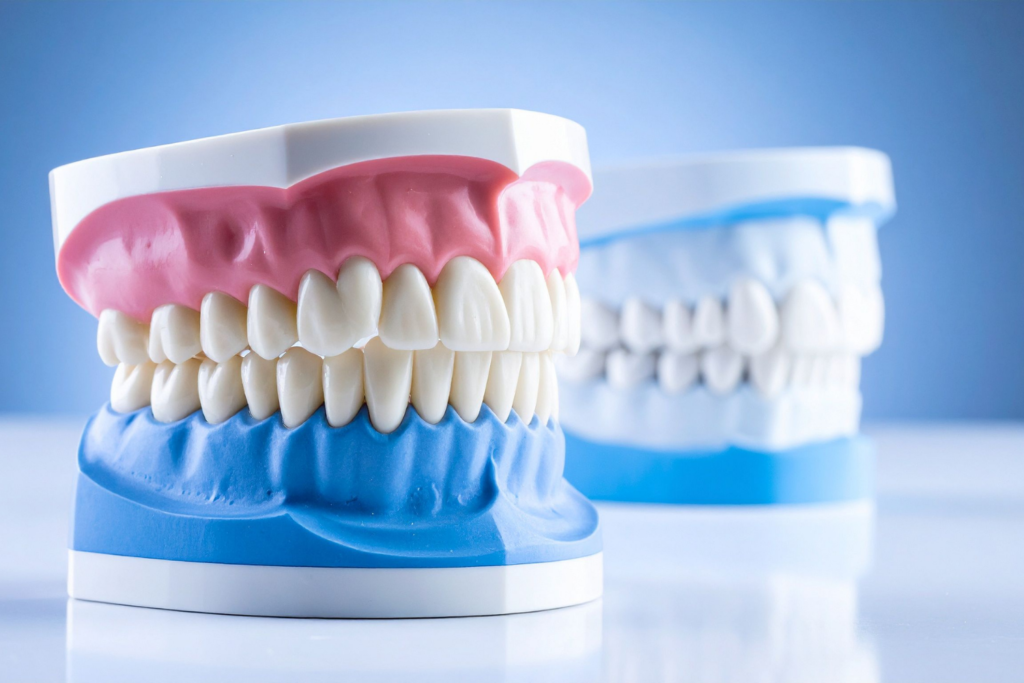
Discover the structure of your teeth, their vital role in overall health, and how to protect them from common dental issues.
Your teeth do much more than just help you chew food; they support clear speech, maintain facial structure, and even play a role in your overall health. Healthy teeth can affect your confidence, comfort, and the way your body digests food. At Dr. Elston Wong Dentistry in Barrie, Canada, we see daily how understanding your teeth and taking care of them can prevent long-term dental problems and make routine visits easier and less stressful.
Whether you are a parent teaching your child to brush properly, a teen learning about oral hygiene, or an adult planning preventive care, knowing the basics of your teeth can help you make informed decisions about your oral health.
What are teeth?
Teeth are hard, mineralized structures in the mouth designed to break down food for digestion. But they are not just tools for eating; they also help with speaking clearly and maintaining the shape of your face.
Each tooth has a specialized role, and their overall arrangement contributes to a balanced bite and proper oral function.
Even though teeth look simple on the outside, their internal structure is intricate. Proper care ensures they continue to function efficiently throughout life.
How many teeth do adults have?
Most adults have 32 teeth, including four wisdom teeth. Some people, however, may have fewer teeth due to genetics or extraction. Every tooth has a purpose, whether cutting, tearing, or grinding food. Missing teeth can affect how you chew, speak, and even how your jaw aligns.
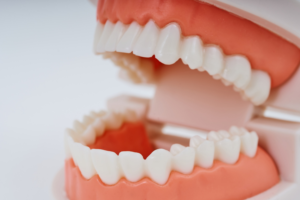
At Dr. Elston Wong Dentistry, we often discuss preventive options, like spacing management and protective measures, to ensure adults retain as many healthy teeth as possible.
How many teeth do humans have?
Humans start life with fewer teeth than adults. Children typically develop 20 primary teeth, sometimes called baby teeth. These teeth are temporary but extremely important – they guide the eruption of permanent teeth and help maintain space in the jaw.
Adults, assuming all wisdom teeth are present, usually have 32 permanent teeth. Regular checkups help ensure that both primary and permanent teeth grow and align properly, reducing complications later in life.
Structure
Each tooth has multiple layers working together: a hard exterior, a protective middle layer, and a sensitive interior. The outer enamel protects teeth from decay, while the dentin underneath supports the enamel. Inside, the pulp contains nerves and blood vessels that nourish the tooth and alert you to problems like cavities or trauma.
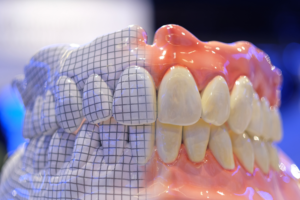
Understanding these layers can help patients appreciate why proper brushing, flossing, and preventive care are so essential. Damage to even one layer can have long-term effects on overall oral health.
Primary teeth
Primary teeth, or baby teeth, may eventually fall out, but they are vital for a child’s development. They help children chew, speak clearly, and guide permanent teeth into their correct positions.

Parents should focus on regular brushing, flossing, and dental visits from an early age.
At Dr. Elston Wong Dentistry, we advise gentle, age-appropriate brushing techniques and fluoride treatments to protect these delicate teeth. Healthy primary teeth reduce the risk of cavities and misalignment in permanent teeth.
Permanent teeth
Permanent teeth are designed to last a lifetime. They include incisors, canines, premolars, and molars, each performing a specific function in chewing, speaking, and maintaining facial structure.
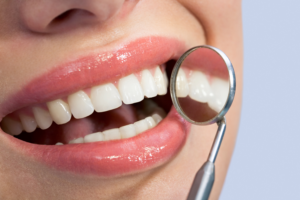
With regular brushing, flossing, and professional checkups, permanent teeth can remain strong and functional for decades. Early interventions, such as sealants or bite correction, can help prevent long-term damage. Regular dental visits at a trusted clinic like Dr. Wong’s ensure issues are detected and addressed promptly.
What are the types of teeth?
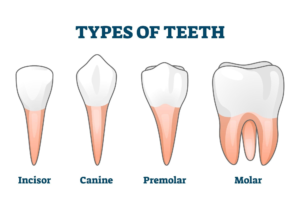
Incisors – role in cutting food
Incisors are the front teeth, sharp and thin, designed to cut food into manageable pieces. Adults typically have eight incisors, four on the top and four on the bottom. They also play a key role in shaping your smile.
Canines – tearing food
Canines are pointed teeth next to the incisors, ideal for tearing food. These teeth help guide the bite and maintain the shape of your dental arch. Healthy canines are essential for proper jaw alignment.
Premolars – crushing food
Premolars sit behind the canines and are designed for crushing and grinding food. They have a larger, flatter surface than canines and incisors. Maintaining their strength is critical for efficient chewing and overall digestive health.
Molars – grinding food
Molars are the largest teeth, located at the back of the mouth. Their broad surfaces grind food thoroughly before swallowing. Wisdom teeth, a type of molar, may sometimes need removal if they don’t fit properly or cause crowding.
Parts
Enamel – the strongest material in the body
Enamel covers the crown and protects teeth from decay and damage. Brushing twice daily with fluoride toothpaste, limiting sugary foods, and regular dental checkups help maintain enamel strength.
Dentin – supports enamel
Dentin is beneath the enamel and provides structural support. It’s sensitive, so if enamel wears down, exposure can cause discomfort. Professional care and gentle home care help protect dentin.
Cementum – protects roots
Cementum covers the roots and anchors teeth in the jawbone. Healthy gums protect cementum and prevent issues like root exposure or gum recession.
Dental pulp – nerves and blood vessels
Dental pulp is the living part of the tooth, containing nerves and blood vessels. It keeps teeth nourished and alerts you to pain from cavities, trauma, or infection. Prompt treatment preserves pulp health and prevents complications.
How do teeth function?
Teeth work together to chew food, speak clearly, and maintain facial shape. Proper alignment distributes pressure evenly, protecting both teeth and jaw joints. Misaligned teeth can lead to uneven wear, discomfort, and bite problems. Preventive dental care, like bite assessments at Dr. Elston Wong Dentistry, helps maintain proper function and reduces the risk of future issues.
What’s the anatomy of a tooth?
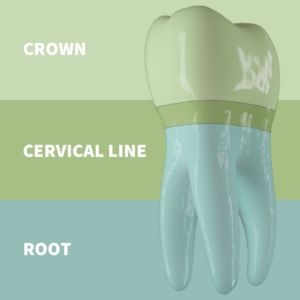
A tooth has three main sections:
- Crown – visible part above the gumline
- Neck – transition area between crown and root
- Root – embedded in the jawbone, anchoring the tooth
Understanding this anatomy highlights why protecting teeth from cavities, fractures, and gum disease is so important.
What are teeth made of?
Teeth are mainly composed of minerals, including calcium and phosphorus, which make them strong and durable. Adequate nutrition, along with proper dental care, keeps these minerals intact and helps prevent enamel erosion and sensitivity.
Are teeth bones?
Teeth and bones share some similarities; they are both mineralized, but teeth are not bones. Unlike bones, teeth cannot naturally repair themselves once damaged. That’s why preventive care and early treatment are critical.
What are teeth numbers?
Dentists use a numbering system to identify each tooth. This makes tracking dental history, planning treatments, and discussing specific teeth during checkups clear and precise. Knowing this system can help you understand your dental records and treatment plans better.
Conditions and Disorders
What are the common conditions that can affect my teeth?
Teeth can be affected by:
- Cavities – caused by decay
- Tartar – hardened plaque buildup
- Gum disease – inflammation or infection of the gums
- Sensitivity – discomfort from temperature changes or sweet foods
What are some common symptoms of conditions affecting my teeth?
Symptoms may include pain, sensitivity, or bleeding gums. These signs indicate a need for professional care. At Dr. Elston Wong Dentistry, early detection of these symptoms allows for minimally invasive treatments and preserves oral health.
What are some common dental treatments?
Common treatments include:
- Fillings – repairing cavities
- Cleanings – removing plaque and tartar
- Crowns – restoring damaged teeth
- Root canals – treating infected pulp
Regular visits, preventive care, and good home hygiene make these procedures simpler and more effective, helping teeth stay strong and functional.
Preventive Tips for Healthy Teeth
- Brush twice daily with fluoride toothpaste.
- Floss daily to remove plaque between teeth.
- Limit sugary and acidic foods that erode enamel.
- Visit your dentist at least twice a year for checkups and cleanings.
- Use mouthguards during sports to prevent trauma.
- Teach children proper oral hygiene early to prevent cavities and misalignment.
Even small daily habits can have a significant impact on long-term oral health. Preventive care keeps teeth healthy and reduces the need for complex dental procedures later.
Conclusion
Your teeth are more than just chewing tools; they are essential to your health, speech, and confidence. Understanding their structure, function, and common issues helps you care for them effectively. Routine visits to a trusted dental clinic like Dr. Elston Wong Dentistry in Barrie, combined with proper home care, ensure your teeth remain strong, healthy, and functional throughout life. Preventive care today means fewer complications tomorrow, and a brighter, healthier smile for years to come.