


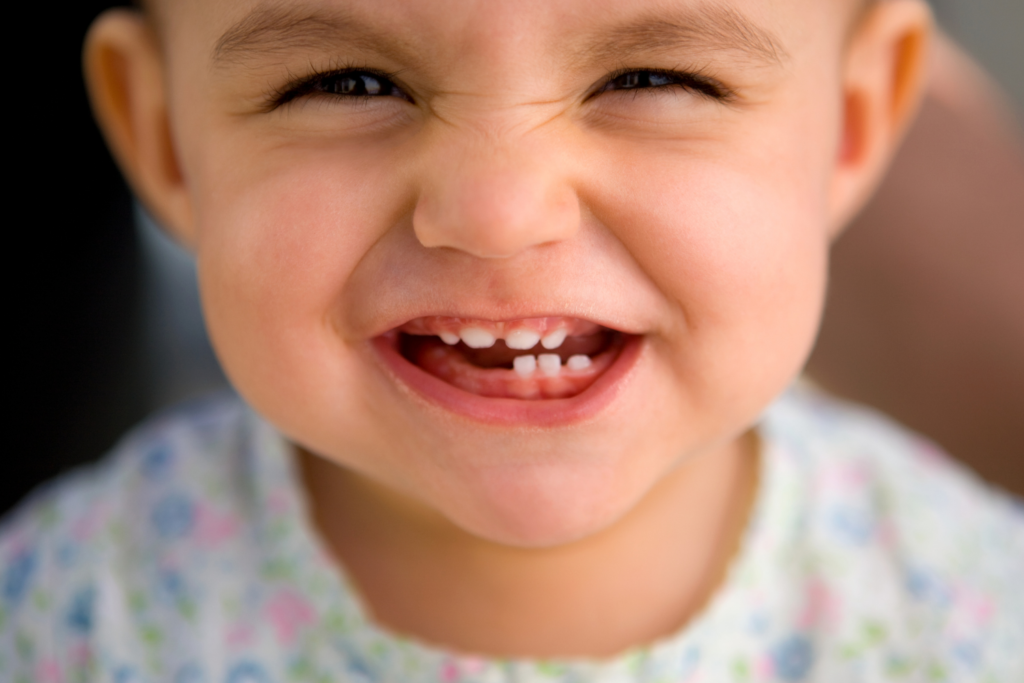
Understand your baby’s teething journey, common signs, and how to soothe their discomfort.
Teething is one of those milestones every parent anticipates with equal parts excitement and anxiety. It’s a natural part of your baby’s growth, a sign that their tiny mouth is preparing for a lifetime of healthy teeth. But here’s the thing: teething can also be stressful.
Watching your baby drool, chew on everything, or have disrupted sleep can be overwhelming, especially if you’re not sure what to expect.
Understanding the process makes this stage much less stressful. Parents who know what’s normal can feel confident in offering comfort and spotting potential issues early.
At Dr. Elston Wong Dentistry in Barrie, we often guide parents through the teething journey, helping them feel supported and informed while ensuring babies develop strong, healthy teeth.
What Is Teething?
Teething is the process in which a baby’s primary teeth, also called baby teeth, break through the gums. These first teeth, usually twenty in total, provide the foundation for proper chewing, speech development, and alignment of permanent teeth later on.
Beyond eating and chewing, baby teeth help your child learn to speak clearly and maintain proper spacing for the adult teeth that follow. They also support jaw growth and facial development. Missing or delayed teeth can sometimes affect these processes, which is why regular monitoring is important.
Typically, the lower central incisors — the two front teeth on the bottom — are the first to appear. However, every baby is different. Some may start teething as early as four months, while others might not show signs until ten months. Factors such as genetics, nutrition, and overall health can influence timing. The process continues until about three years of age, when most children have a full set of primary teeth.
Teething Symptoms

Recognizing teething symptoms can help parents soothe their baby effectively. Common signs include:
- Drooling: Excessive saliva production is a hallmark of teething. It may cause a slight rash or irritation around the mouth. Wiping the drool frequently can prevent skin irritation.
- Irritability: Your baby may be fussier than usual, cry more, or seek extra comfort.
- Chewing and Biting: Gums can feel sore, so babies often chew on fingers, toys, or even furniture to relieve pressure.
- Swollen or Tender Gums: You may notice a bluish or reddish area where a tooth is about to erupt. Gently massaging the area can provide relief.
- Sleep Disruption: Teething discomfort can interrupt naps or nighttime sleep, leaving your baby cranky. Maintaining a calm bedtime routine can help.
- Mild Loss of Appetite: Some babies may eat less temporarily, especially solid foods, due to gum soreness.
- Subtle Behaviour Changes: Some babies become clingy, whiny, or more alert to their discomfort than usual. Mild gum bleeding may also occur when a tooth first breaks through.
It’s worth noting that while some symptoms like fever or diarrhoea are often associated with teething, research suggests these are usually coincidental rather than direct results of tooth eruption.
If your baby experiences a high fever or persistent discomfort, it’s always best to consult your pediatrician.
Teething Chart
Here’s a simple overview of when primary teeth typically erupt and later fall out.
Keep in mind, every child’s timing varies.
Tooth | Age of Eruption | Age of Loss |
Lower Central Incisors | 6–10 months | 6–7 years |
Upper Central Incisors | 8–12 months | 6–7 years |
Upper Lateral Incisors | 9–13 months | 7–8 years |
Lower Lateral Incisors | 10–16 months | 7–8 years |
| First Molars (Top & Bottom) | 13–19 months | 9–11 years |
Canines (Cuspids) | 16–22 months | 10–12 years |
| Second Molars (Top & Bottom) | 25–33 months | 10–12 years |
This chart provides a helpful reference, but minor variations are completely normal.
5 Stages of Teething in Children
Understanding teething in stages can help parents anticipate what’s coming next.
- Initial Gum Swelling: Gums become tender and slightly red. Babies may drool more and gnaw on soft toys or fingers. Parents can offer extra cuddles to soothe discomfort.
- Tooth Bud Formation: Tiny bumps appear on the gums where teeth will emerge. Discomfort can increase slightly, and babies may be more irritable.
- Eruption: The tooth breaks through the gum surface. This stage often causes the most fussiness, chewing behaviour, and sleep disruption. A chilled teether can help during this phase.
- Settling Period: Once the tooth is through, gum soreness usually eases, and babies return to their normal routines. Parents can use this stage to reinforce early oral care habits.
Molar Growth: Molars appear last, typically around 13–33 months, and may cause extra discomfort due to their larger size. Gentle massage, chilled teething aids, and patient reassurance work best. Dr. Wong advises careful observation during this stage to ensure proper alignment and comfort.
By recognizing these stages, parents can tailor soothing strategies and anticipate potential challenges.
When Do Babies Start Teething?

Most babies begin teething between four and ten months, with the first teeth usually emerging around six months. Genetics play a significant role – if parents or siblings teething early or late, it’s likely the child will follow a similar pattern.
Nutrition, overall health, and even birth order can influence timing, but minor variations are normal.
At Dr. Elston Wong Dentistry in Barrie, we reassure parents that a slight delay rarely signals a problem. Regular check-ups ensure that teeth are developing normally and allow parents to discuss comfort strategies as their baby grows.
When Do Molars Come In?
Molars are larger teeth that appear toward the back of the mouth. The first molars generally emerge between 13 and 19 months, while the second molars appear between 25 and 33 months.
Because of their size and location, molars can be particularly uncomfortable, causing drooling, gum tenderness, and chewing on objects for relief.
Molars are important not only for chewing efficiency but also for speech development and overall jaw growth. Monitoring these teeth closely is key.
Dr. Wong recommends regular oral hygiene and check-ups during this stage to prevent discomfort and ensure proper dental alignment.
How to Soothe a Teething Baby
There are several safe, evidence-based ways to comfort a teething baby:
- Chilled Teethers: Cold (not frozen) teethers help numb sore gums and provide relief.
- Gum Massage: Gently rubbing your baby’s gums with a clean finger can ease discomfort.
- Cuddling and Comfort: Extra snuggles and soothing voices can calm a fussy baby.
- Distraction: Engaging toys, songs, or walks can redirect attention from discomfort.
- Cold Washcloths: A clean, chilled washcloth for chewing provides relief and is easy to wash.
- Cold Foods: For babies already eating solids, chilled fruit purees or yogurt can help soothe gums.
- Routine Care: Maintaining consistent feeding and sleep schedules helps babies feel secure and less irritable.
Always supervise teething aids and avoid anything that could pose a choking hazard. Small adjustments and patient attention go a long way in easing this stage.
Teething Treatments to Avoid
Not all remedies are safe. Parents should steer clear of:
- Benzocaine Gels: These can be harmful for babies under two years.
- Amber Necklaces: Risk of choking and strangulation outweighs any potential benefit.
- Homeopathic or Herbal Tablets: Often unregulated and may contain unsafe ingredients.
- Hard Objects: Ice cubes or very hard toys can damage gums and emerging teeth.
Stick to proven, gentle techniques, and consult your dentist if discomfort seems excessive.
Dr. Wong often reminds parents that patience, observation, and safe comfort measures are the best approach.
Teething related Frequently Asked Questions
Q. When do all of the primary teeth erupt and fall out?
Most children have a full set of 20 primary teeth by age three. These teeth typically begin falling out around age six to make way for permanent teeth.
Q. When do all of the permanent teeth erupt?
Permanent teeth usually start coming in around age six and continue until the late teens, including wisdom teeth in late adolescence.
Q. Is teething painful for all babies?
No. Some babies experience mild discomfort, while others may be fussier. Every child reacts differently, and gentle observation helps you respond appropriately.
Q. How can I tell if my baby’s discomfort is teething or something else?
Teething usually causes drooling, chewing, and mild irritability. High fever, persistent vomiting, or severe symptoms may indicate another issue, in which case, consult your pediatrician.
Q. How can I help soothe my baby while they’re teething?
Use chilled teethers, gentle gum massages, cuddles, distraction, and routine care. Avoid unsafe remedies and keep a close eye on your baby’s comfort.
Q. When do I start brushing my baby’s teeth?
Brushing should begin as soon as the first tooth appears. Use a soft-bristled, baby-sized toothbrush and a tiny smear of fluoride toothpaste (size of a grain of rice). Early brushing helps prevent decay and establishes lifelong oral care habits.
Conclusion
Teething is a natural, sometimes challenging, part of your baby’s early development. Understanding the stages, symptoms, and safe soothing techniques can make this time much easier for both baby and parent. Remember, slight variations in timing are normal, and regular dental visits are essential to ensure healthy growth.
Dr. Wong encourages parents to monitor teething progress, maintain daily oral care, and reach out whenever they have concerns. With patience, preparation, and the right support, teething can become a manageable, even reassuring, milestone in your child’s journey.