



Dental Exams & Dental Cleaning at Dr. Elston Wong Dentistry

Whole mouth health
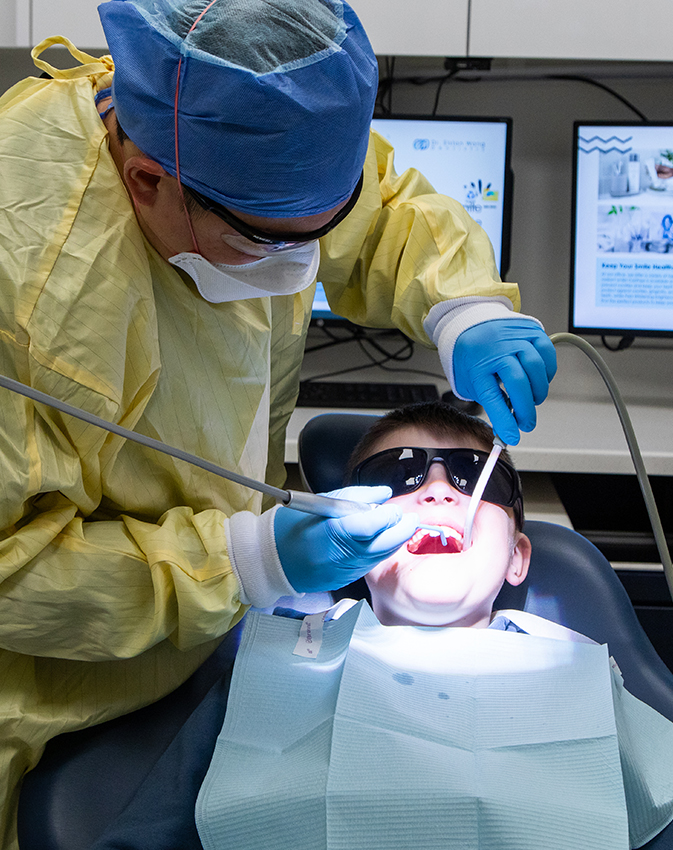
Traditionally referred to as “cleaning”, dental hygiene primarily involves the mechanical removal of surface plaque from your teeth – whether above or below the gums. Monitoring is done through routine recordings of periodontal measures of health (depth of pockets, areas of bleeding, mobilities of teeth, amounts of recession, etc.) and will determine the type and interval of hygiene your mouth requires. Regular examinations will allow us to spot problems early and to make recommendations for correction.
A comprehensive dental exam helps identify potential concerns before they become more serious and costly to treat.
We know that controlling inflammation below the gums pays dividends in reducing cardiovascular disease risk as well as improving diabetic control. To that end, our disinfection efforts include Air Polishing and irrigation below the gums with strong antibacterial rinses. This enables the removal of bacteria, yeasts, and viruses (collectively, biofilm) from around the teeth, and in places where traditional cleaning cannot reach (the tongue, cheeks, and roof of the mouth).
Fast facts

Periodic dental exams and cleanings are important for identifying oral health concerns early.
Your recommended hygiene interval is determined by your risk of gum disease, not your benefits.
A healthy mouth is a gateway to a healthy gut. Hygiene is not just for teeth!
Dental hygiene procedures are not just “cleaning”, they are crucial to preventing overgrowth of harmful bacteria.
The process

Step One
An assessment of your current oral condition is done, beginning with a thorough review of your long term goals and medical and dental histories. This includes an airway screening to ensure that there are no breathing issues at play.

Step Two
We do a thorough examination of your mouth, including a physical exam, X-rays, photographs, and 3D digital scans that show your mouth in [you guessed it] 3D! We then create an oral diagnosis and risk assessment to organize your ultimate treatment plan.

Step Three
Your treatment plan is our playbook for getting your mouth where you want it to be. Whether that is maintaining what you have, or implementing adjustments to give you the hot smile you’ve always wanted – leave the details up to us.
Let the results speak for themselves
Looking for real life transformations? Take a look at some before and after examples.
See our other preventive
dentistry services
Try our virtual smile simulation
Exams & Cleaning FAQs
My teeth feel fine, do I need a cleaning?
Yes! Gum diseases and chronic inflammation are silent, painless diseases until the very late stages. It’s similar to blood pressure – high blood pressure is painless, but it should still be addressed before it turns into a heart attack.
Is dental cleaning painful?
Gums and teeth should not hurt during cleanings, but if you are coming in with swollen, gum-diseased teeth, you may need some anesthetic to get you through the initial cleanings. Don’t worry, our hygienists are thorough and gentle!
What happens during a cleaning?
The goal of “cleaning” is not just to make teeth look nicer, it’s a dedicated effort to rid the gums of the bacteria that can not only cause gum disease, but trigger a wider chronic inflammation that can cause downstream effects such as greater heart attack risk.
Does my insurance cover dental cleanings?
Likely it does, but this is so important that everyone should be having regular cleanings to maintain gum health regardless of insurance. Again, think of it like high blood pressure. If you had no drug plan, would you really forego the blood pressure medication? Having healthy gums saves health complications down the road.
What’s included in a dental cleaning & exam?
First the exam: we look at your mouth in five areas: gums, teeth, joints, aesthetics, and airway. (This will also require current X-rays for a complete look.) For each of these categories, we determine a disease risk and then a treatment plan for best management in accordance with your goals.
The cleaning? No longer just the hand scraping of plaque and tartar off your teeth! Dental hygiene has come a long way, baby, and now includes disclosing-solution-identification of biofilm, air polishing of plaque from your teeth AND gums AND cheeks AND tongue (you read that right; wherever microbes can congregate), ultrasonic cleaning of more stuck-on deposits, and then final detailed spot hand scaling of tartar. The use of the air polisher leaves you with a next-level feeling of clean that we have found has no equal.
How long does a cleaning take?
The duration of a cleaning really depends on the amount of deposits on your teeth and the number teeth you have! In general, we schedule about 60-70 minutes per cleaning and 80-90 minutes for an examination + cleaning. These are base level times though, but everything we do is customized to the individual. We don’t do one-size-fits all dentistry here.
How often should I get my teeth cleaned?
We stratify all our patients by risk of gum disease, following the global consensus categories of gum disease staging and grading. Low risk patients can safely be seen at 6 month intervals, moderate risk individuals should be seen every 4 months, and those at high risk should be seen every 3 months. Gum disease risk is influenced by genetic factors, so unless those at higher risk can pick their parents better, we typically will keep people at a certain interval even if their gum condition improves!

What Our Patients Say
See what patients in Barrie are saying about their experience with Dr. Elston Wong Dentistry.
Barrie, ON L4N 9E7